ASE Partners with MUSEXPO's 25th Global Edition | March 16th - March 19th | Please RSVP here
Earth’s Heartbeat to Beethoven’s Soul — A Concert-Scale Sonic Environment
Harmony of the Worlds
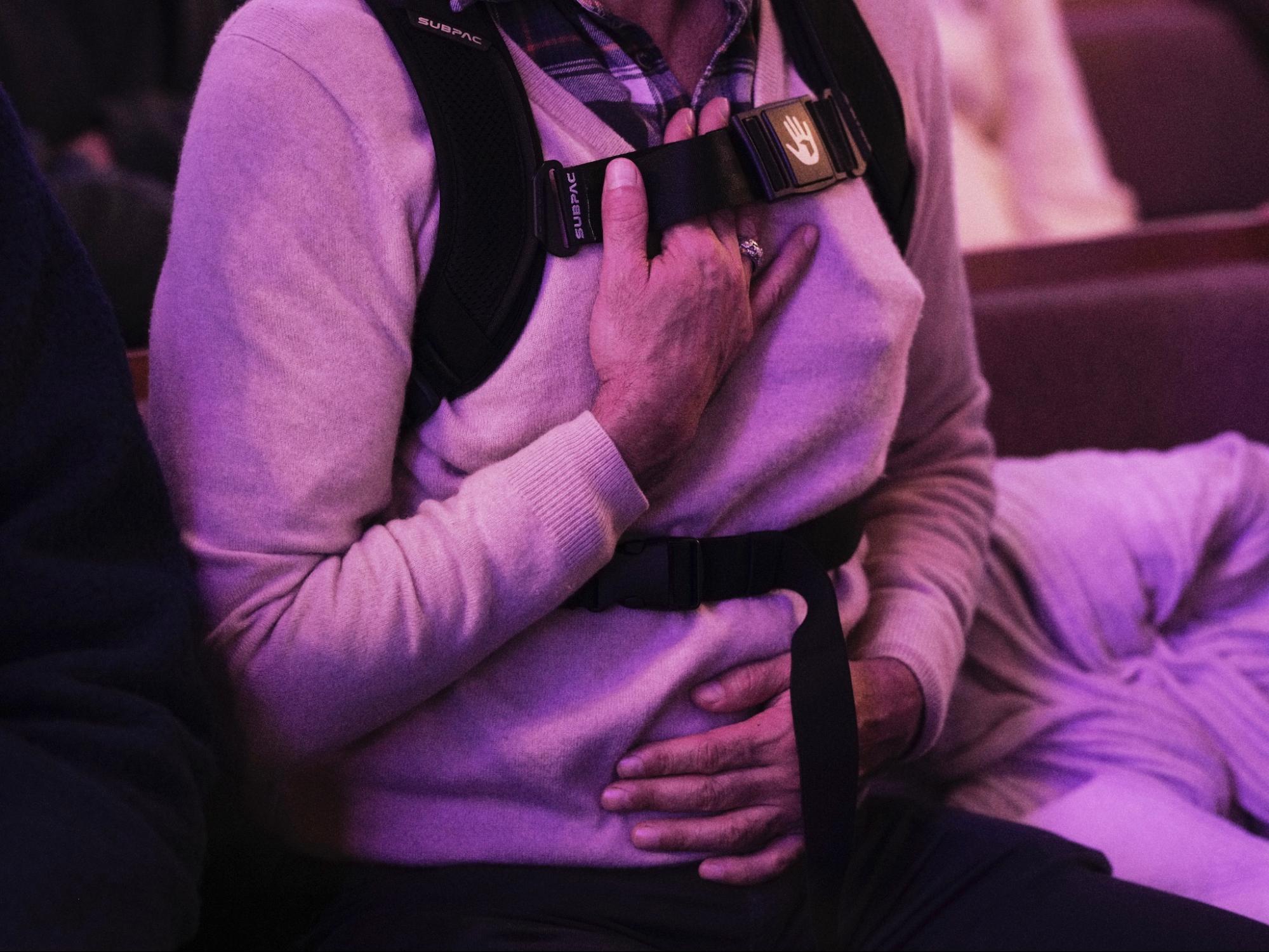
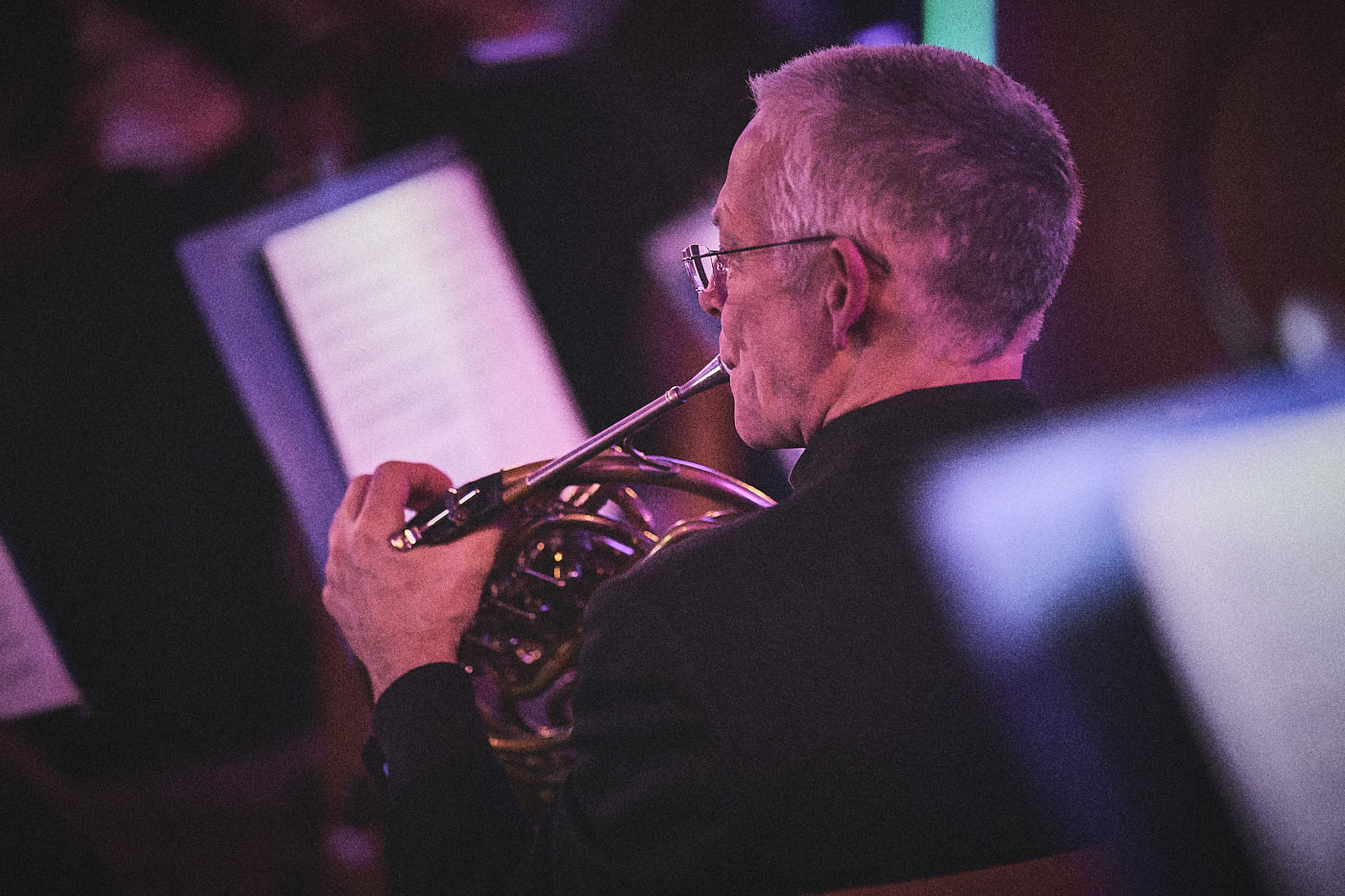
BREATH-TAKING. I FELT LIKE I WAS ON A JOURNEY THROUGH THE GALAXY AT TIMES. I FEEL GROUNDED WITH A DEEP FEELING OF HAPPINESS IN MY HEART. - PARTICIPANT
At the intersection of the arts, education, science, wellness, and the environment, Harmony of the Worlds is the first performance concept of Alchemic Sonic Environment (ASE). Integral to the experience is Satya Hinduja’s Essence, known to manifest a sense of awe and wonder and a deep connection with the self, juxtaposed with a contrasting artwork in any medium. Both works reflect each other, allowing unexpected connections and revelations to arise in a continuum of emerging consciousness. We look forward to deep listening with you.
The Harmony of the Worlds concept was initiated by David Murphy’s exploration of Deep Listening and Satya Hinduja’s parallel project Alchemic Sonic Environment - a sound therapy initiative exploring the nature of health through multi-sensory deep listening experiences.
Harmony of the Worlds is inspired by the whole brain state, organic flow and interconnectivity of the natural world, and by the ‘overview effect’– a major shift in perspective that, for example astronauts have reported on experiencing the beauty and fragility of our earth from space.
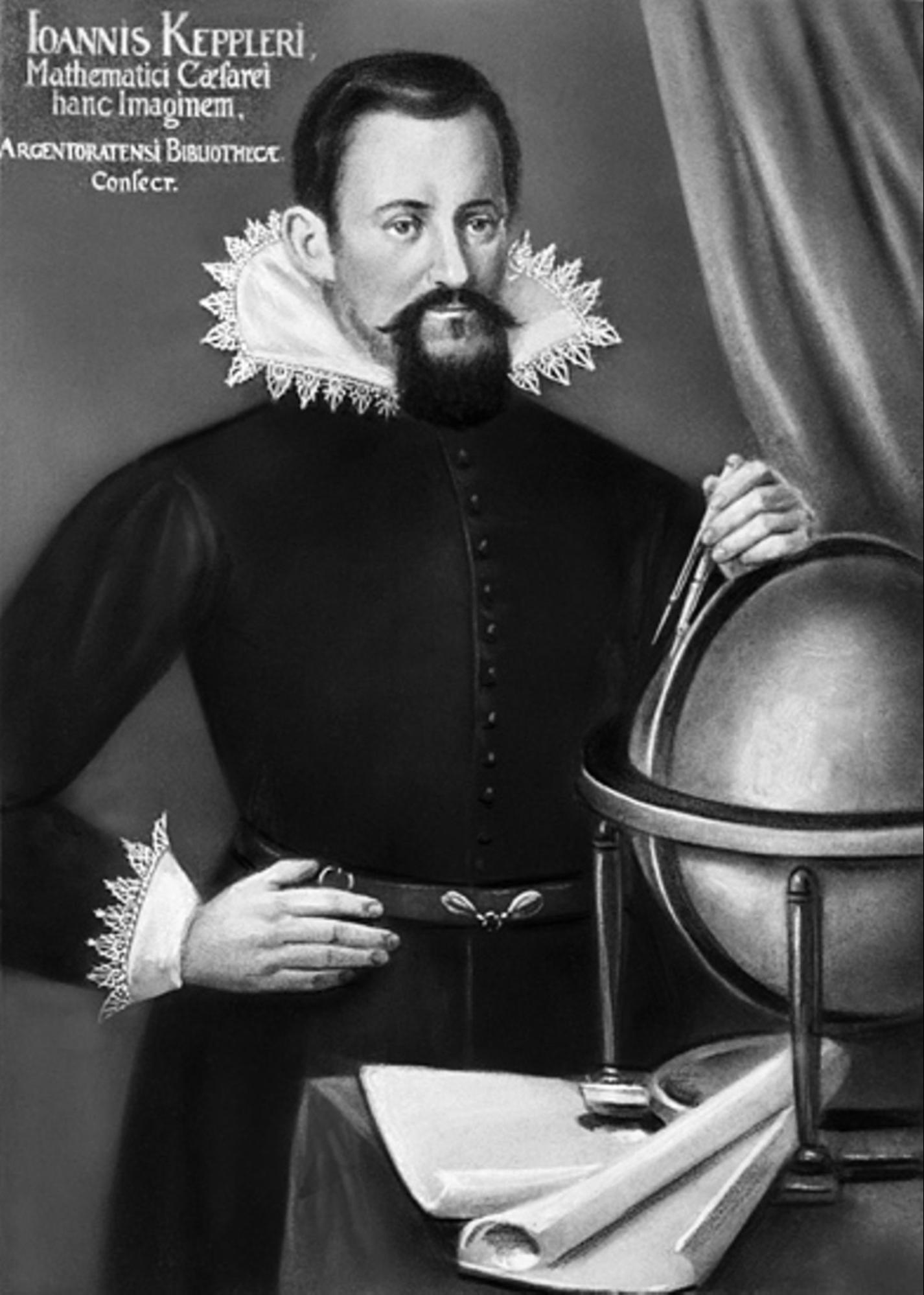
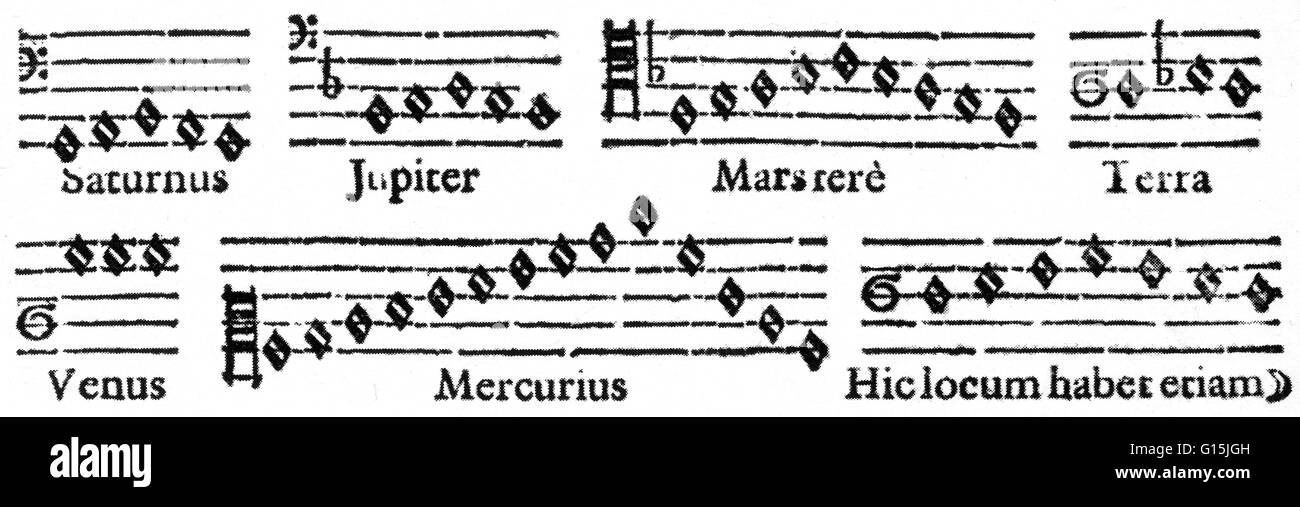
The project takes its name from the astronomer Johannes
Kepler’s 1619 book Harmonices Mundi. In this work,
Kepler catalogues the motions of planets in musical terms,
taking his inspiration from Pythagoras’s concept of a universal music,
the music of the spheres.
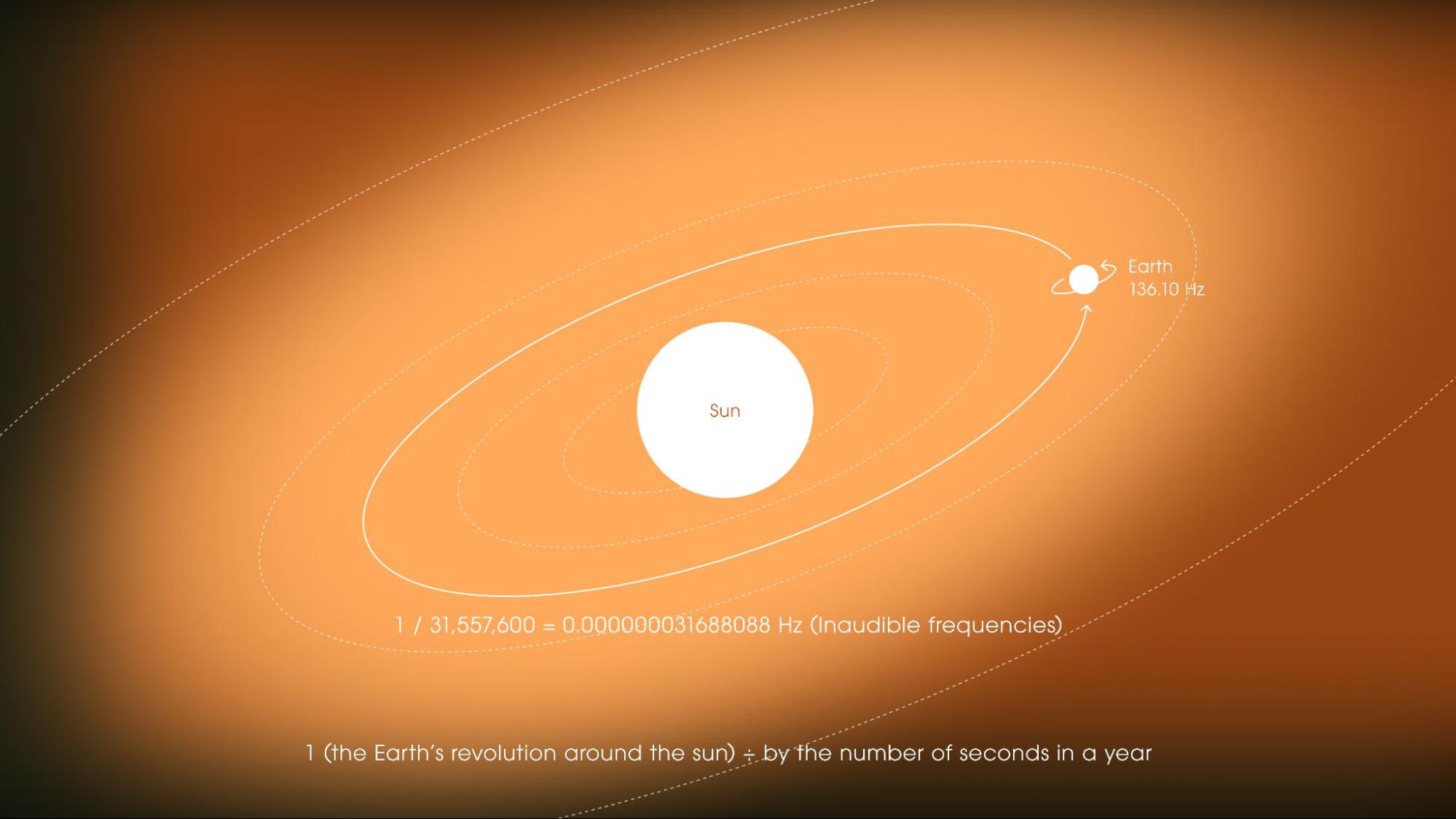
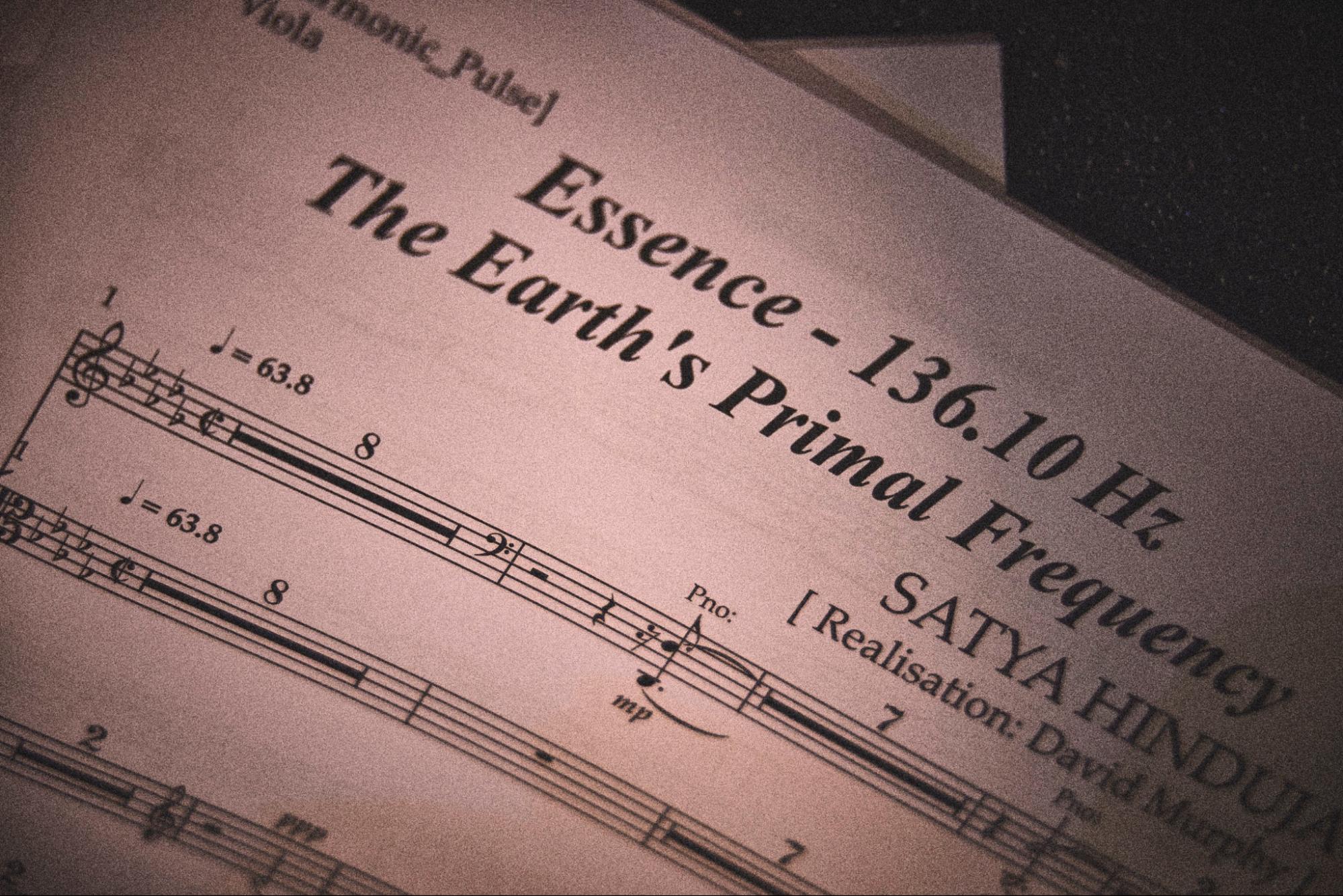
Satya Hinduja’s Essence is integral to the Harmony of the Worlds experience. The work is based on the frequency 136.10 Hz which directly represents in sound ( via a transposition of 32 Octaves ) the annual journey of the Earth around the Sun. The rhythms of the seasons and therefore all life on Earth spring from this frequency.
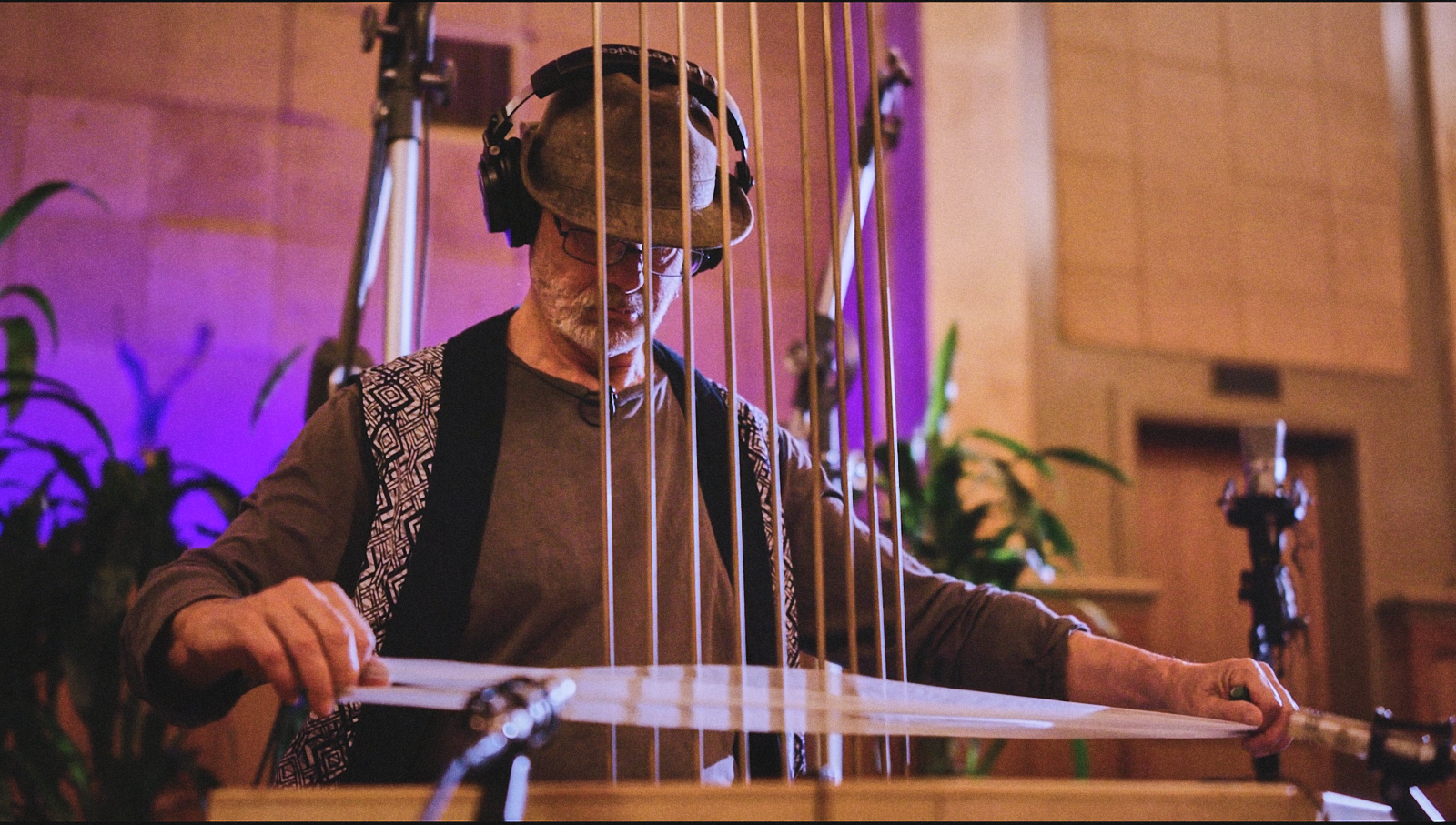
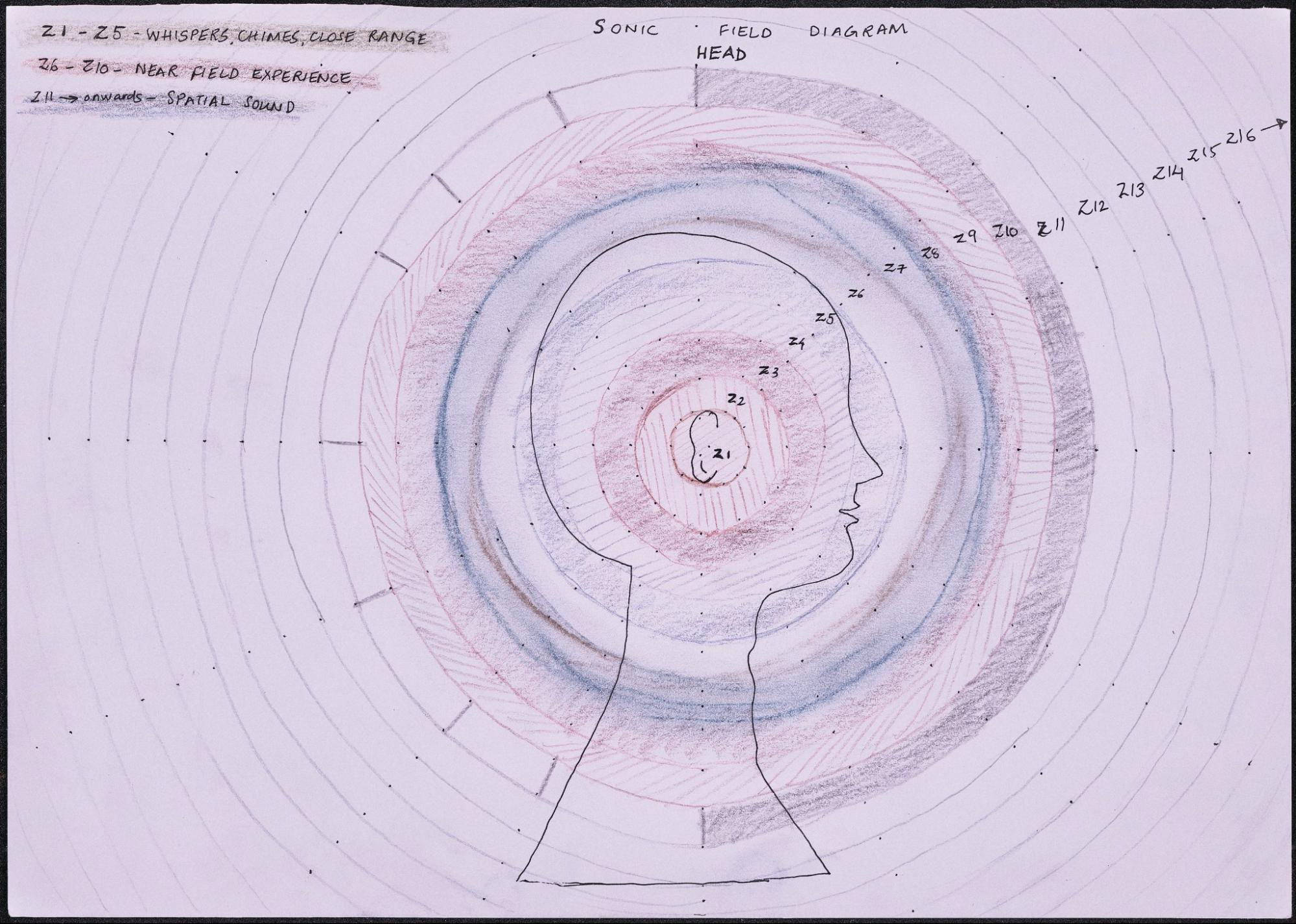
Essence is scored for orchestral instruments, voices, instruments from a variety of world music traditions, electronics, spatial sound, vibro-acoustics and emerging technologies. A pioneering work, Essence creates an experience that is a sonic interplay of distance and tactile proximity where the movement of, and improvisation with sound objects in space contributes to a unique sonic journey.
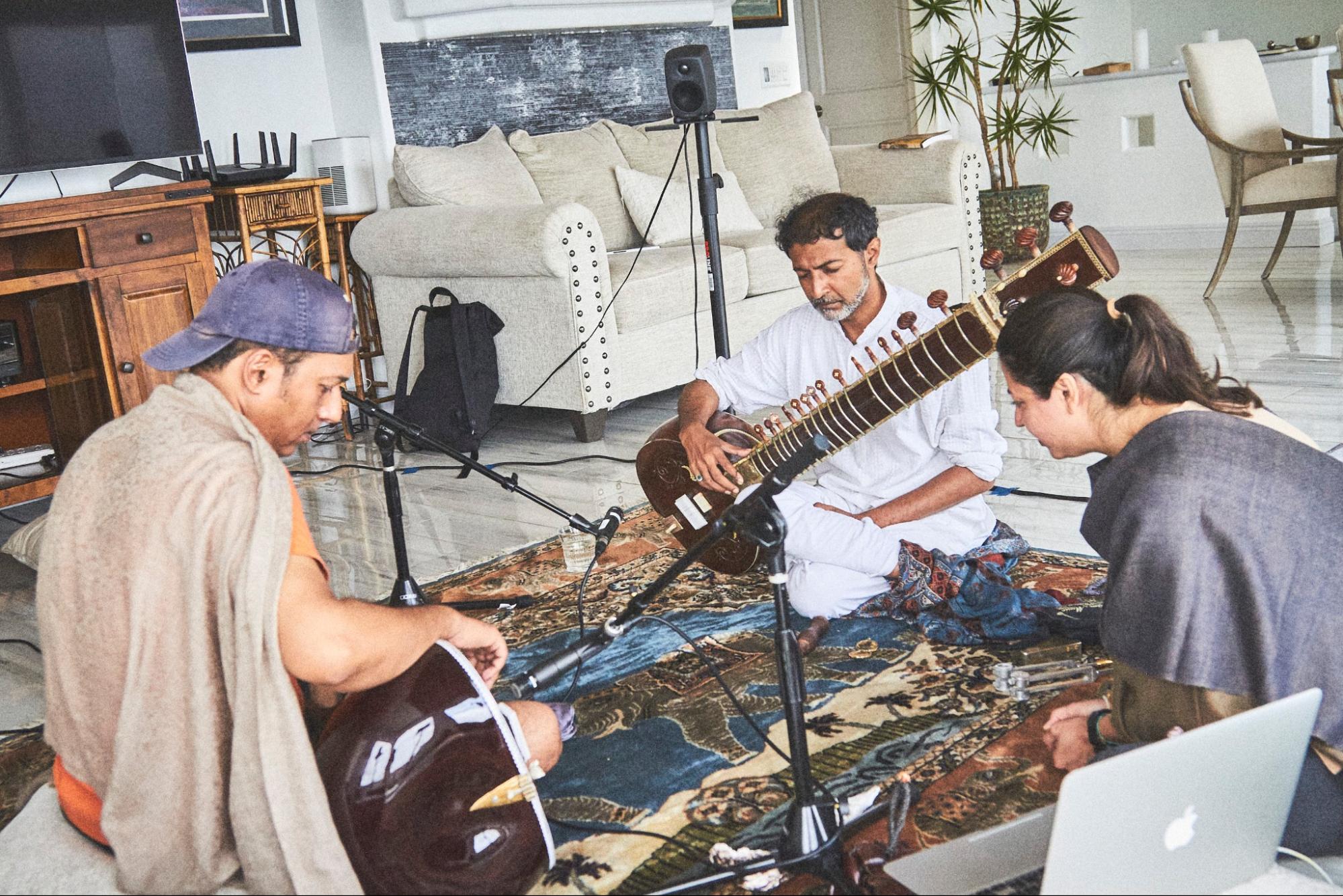
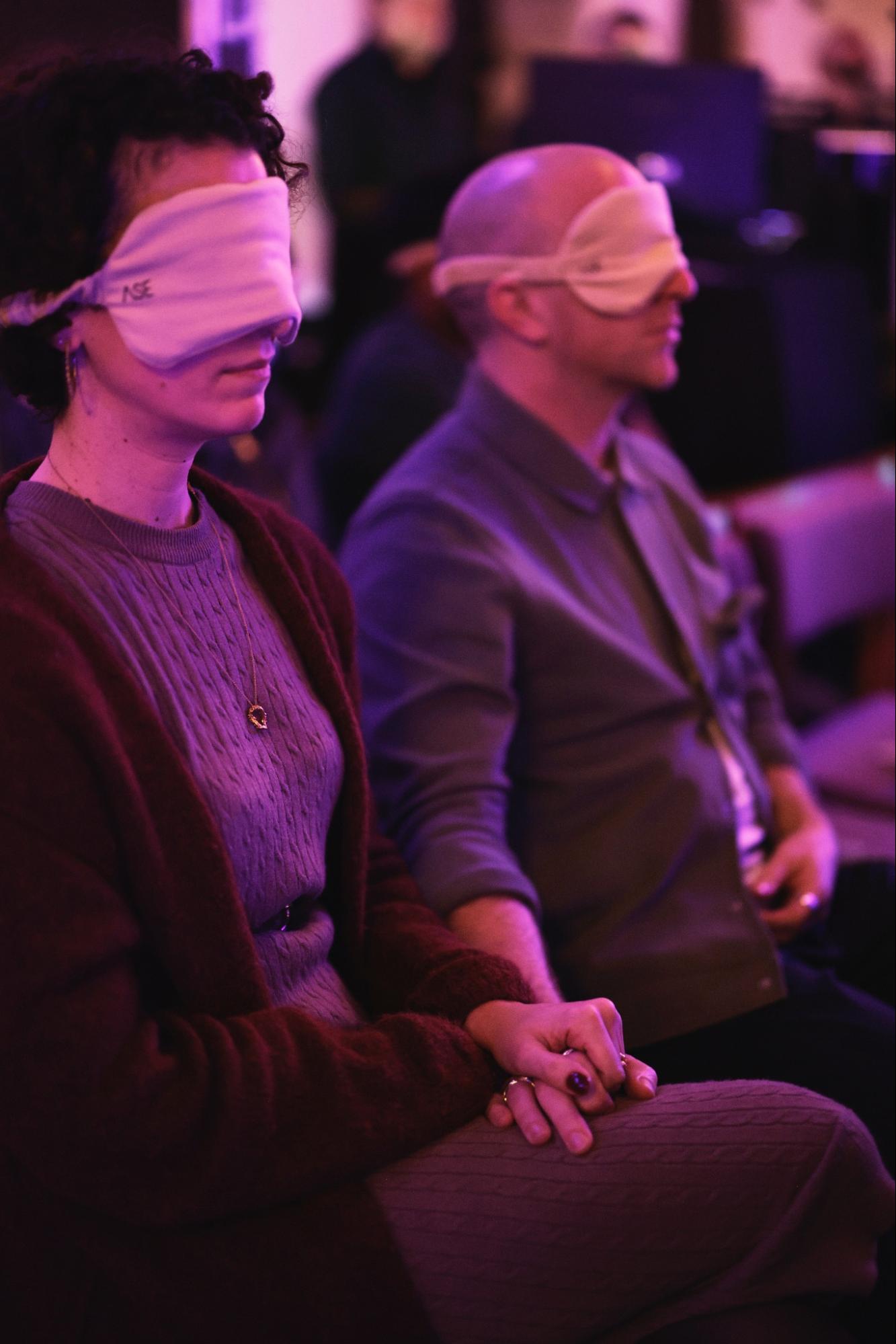
The Harmony of the Worlds performance concept juxtaposes Essence - 136.10 Hz The Earth’s Primal Frequency with a contrasting artwork. This could be a piece of music, dance, literature, theatre, or visual art. The artworks then shine a light on each other, with Essence serving to enhance the listener’s sensory awareness. Through deeply focussing on the sense of hearing, Essence awakens a heightened perception.
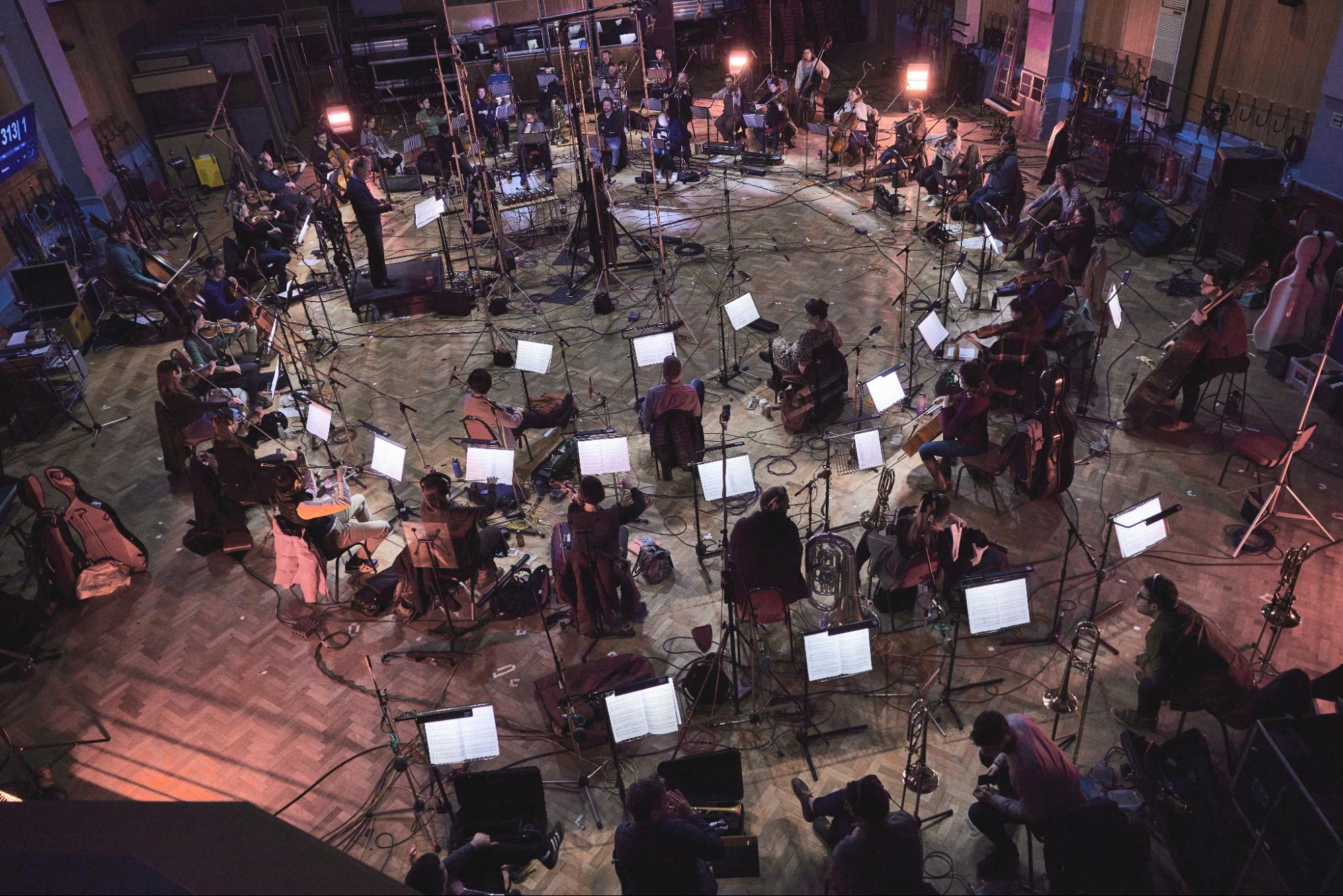
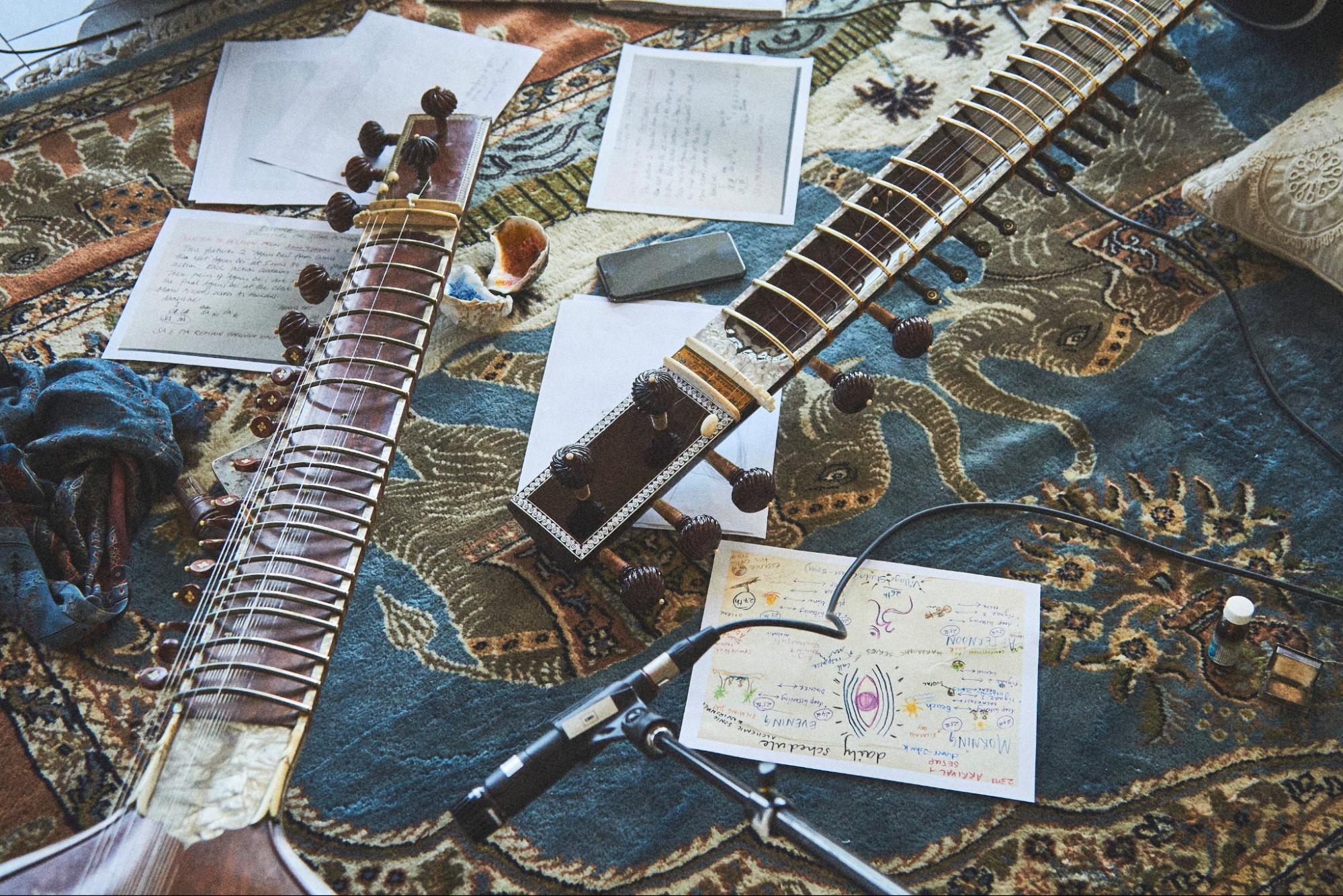
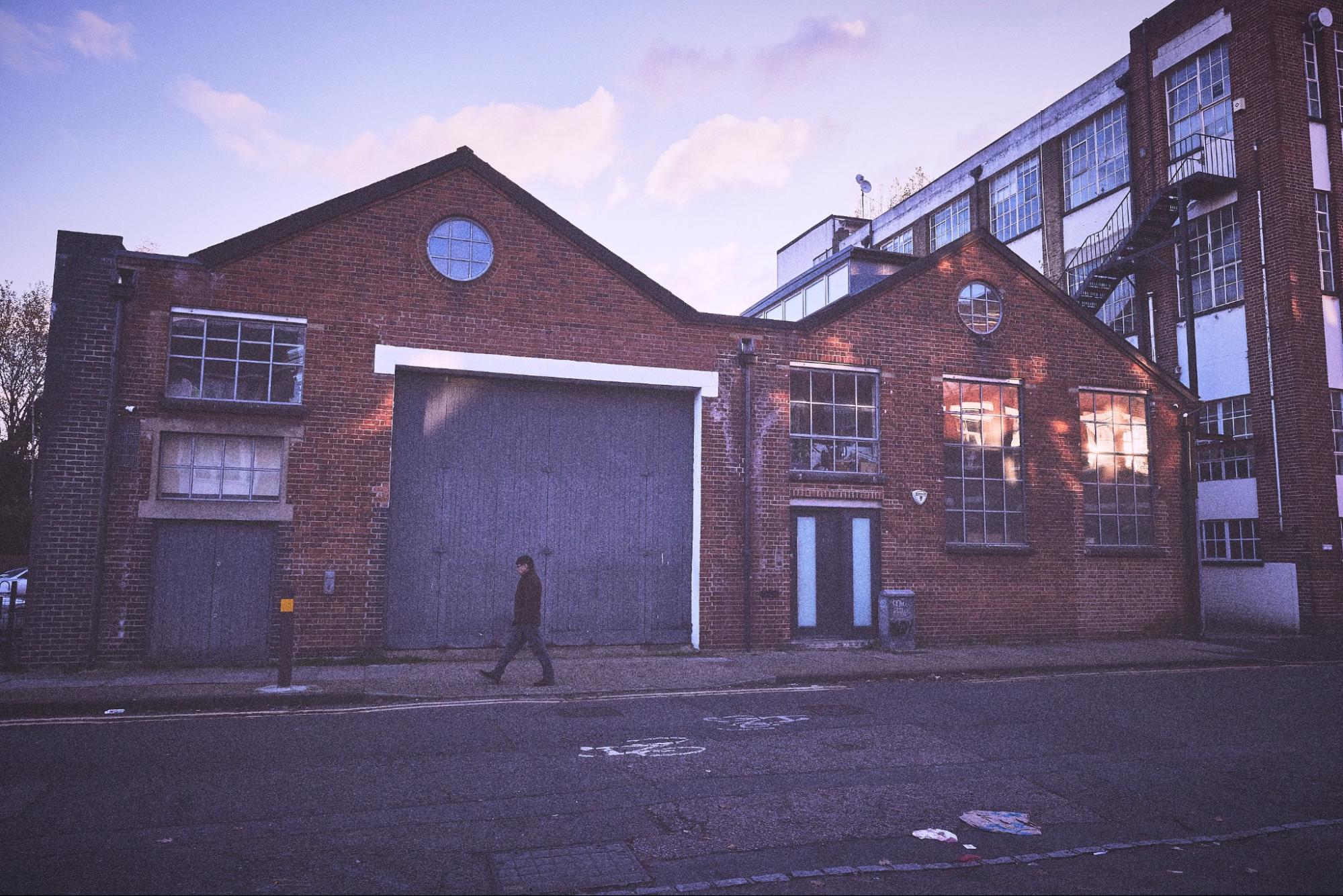
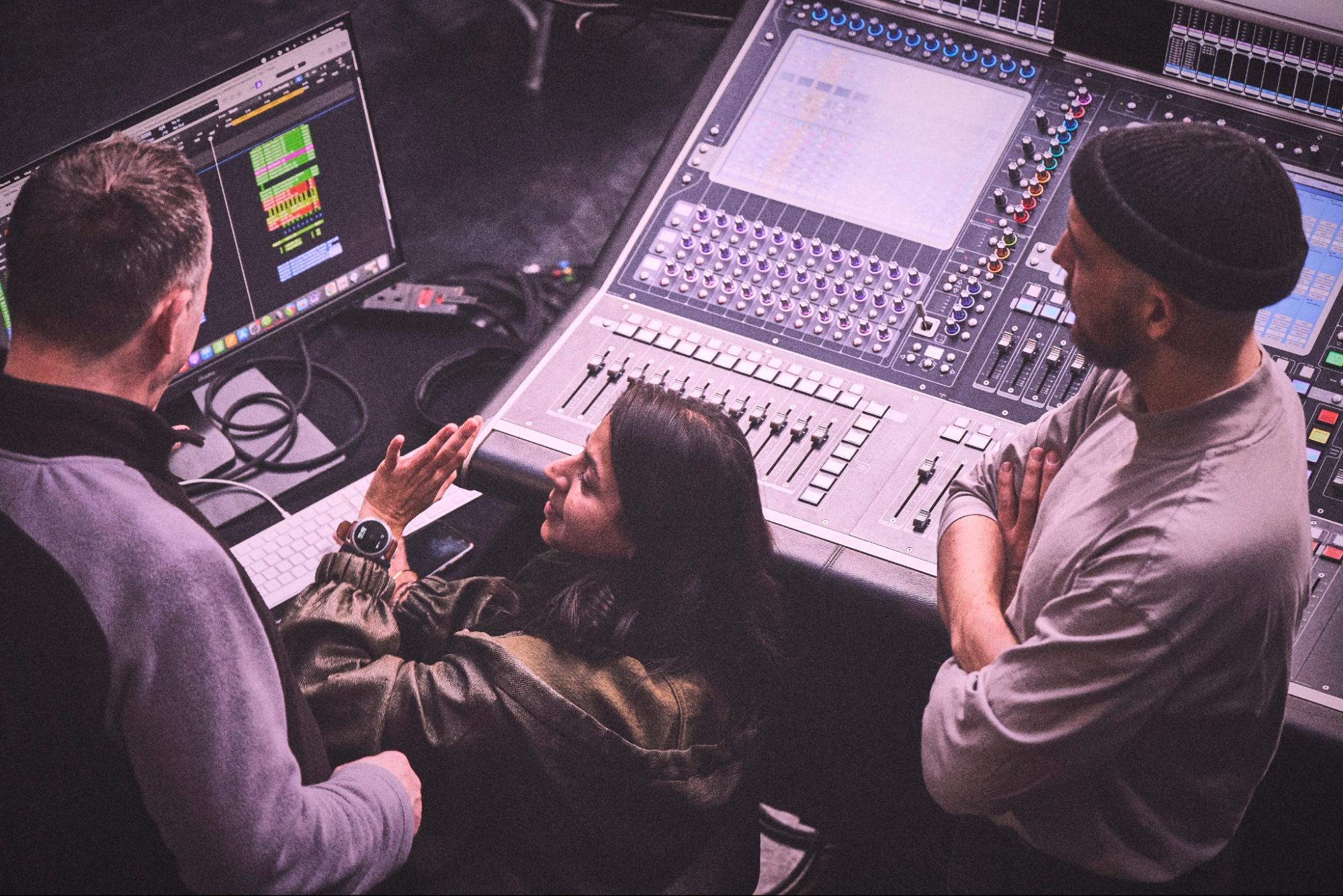
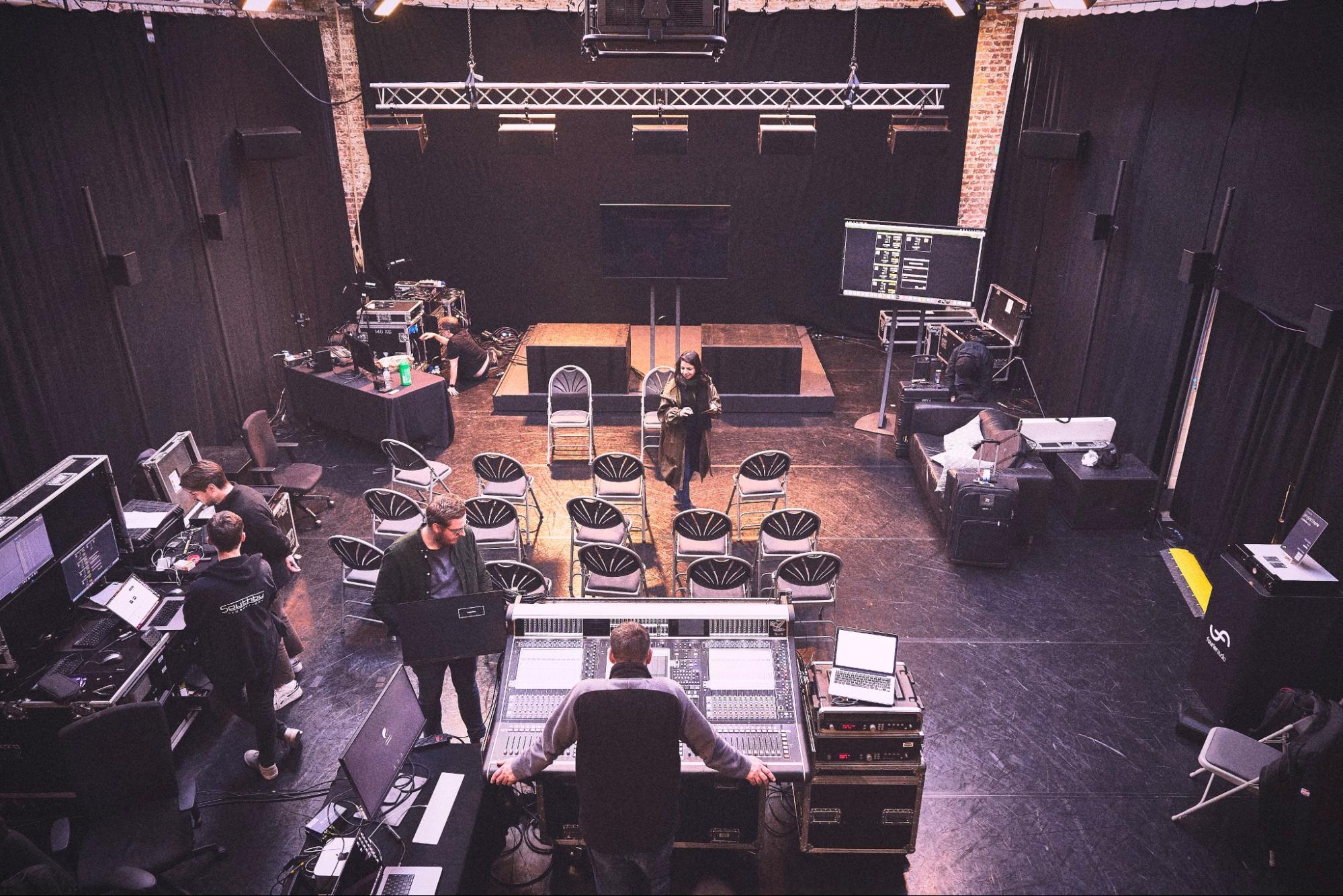
The first in-person Harmony of the Worlds process unfolded in the UK, with initial research and development taking place at the BalletBoyz Studios, Kingston-upon-Thames in December 2022. Subsequent development, rehearsal and the World Premiere performance took place the following month in Luton, U.K. and the process completed in London with a recording at Abbey Road Studios.
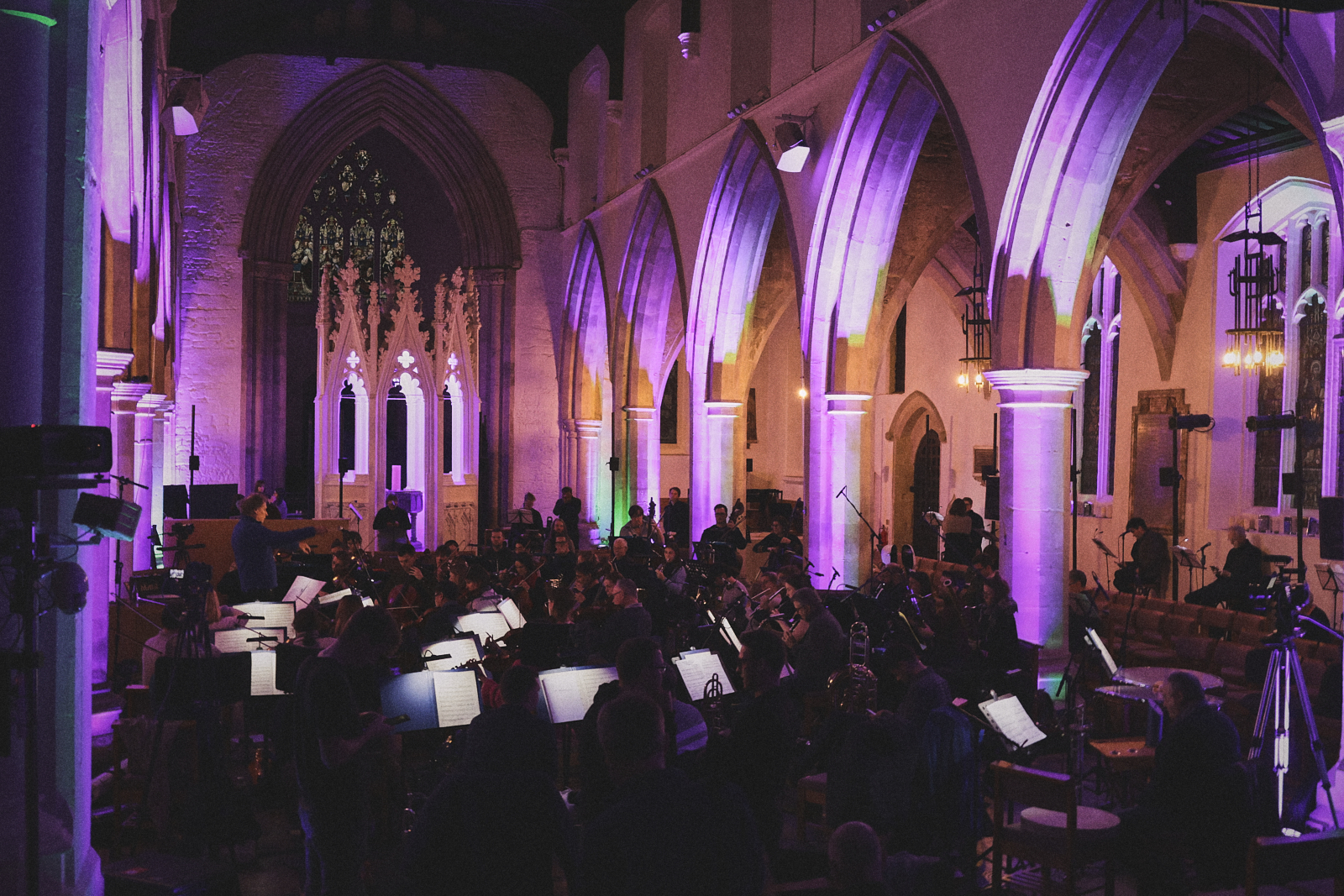
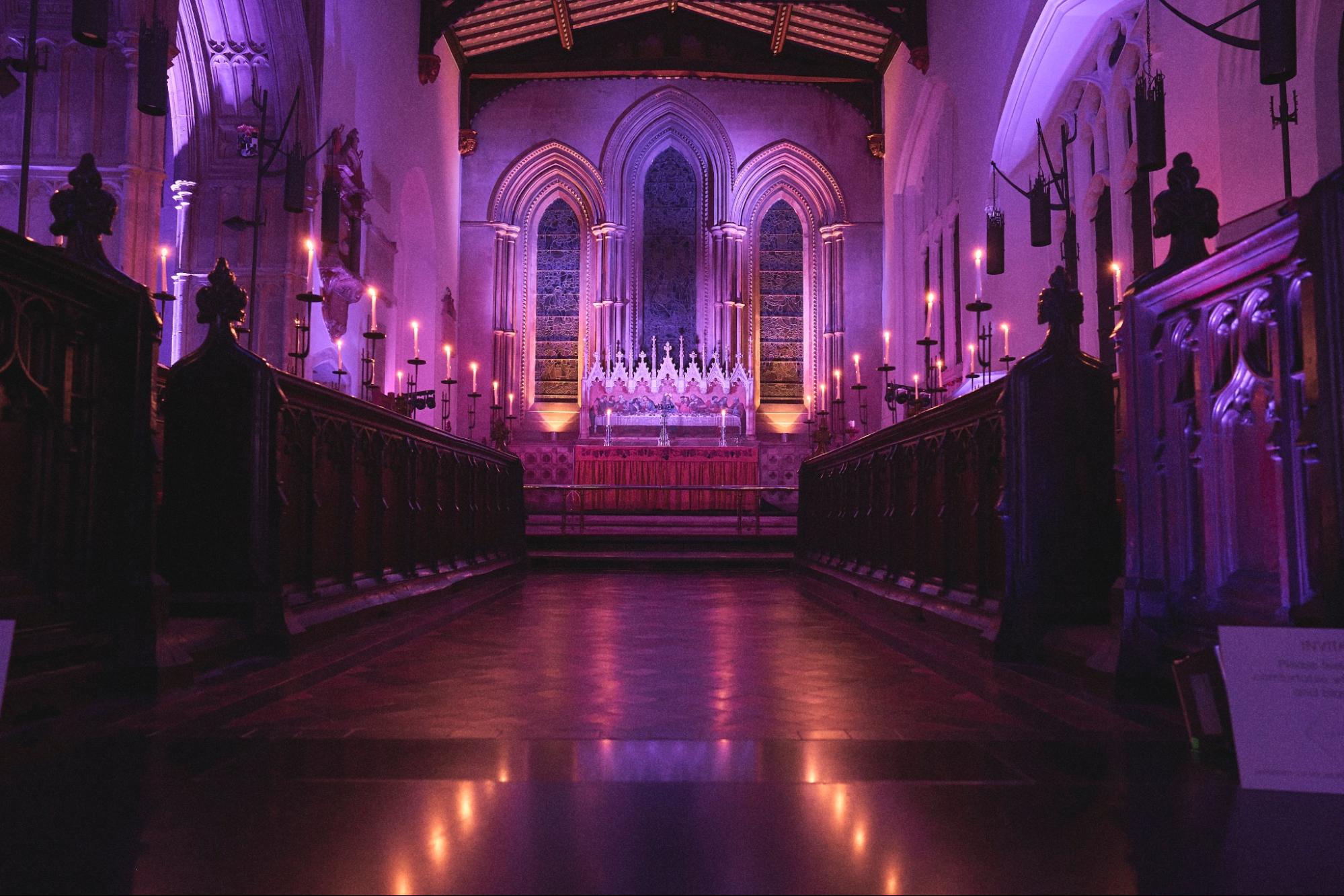
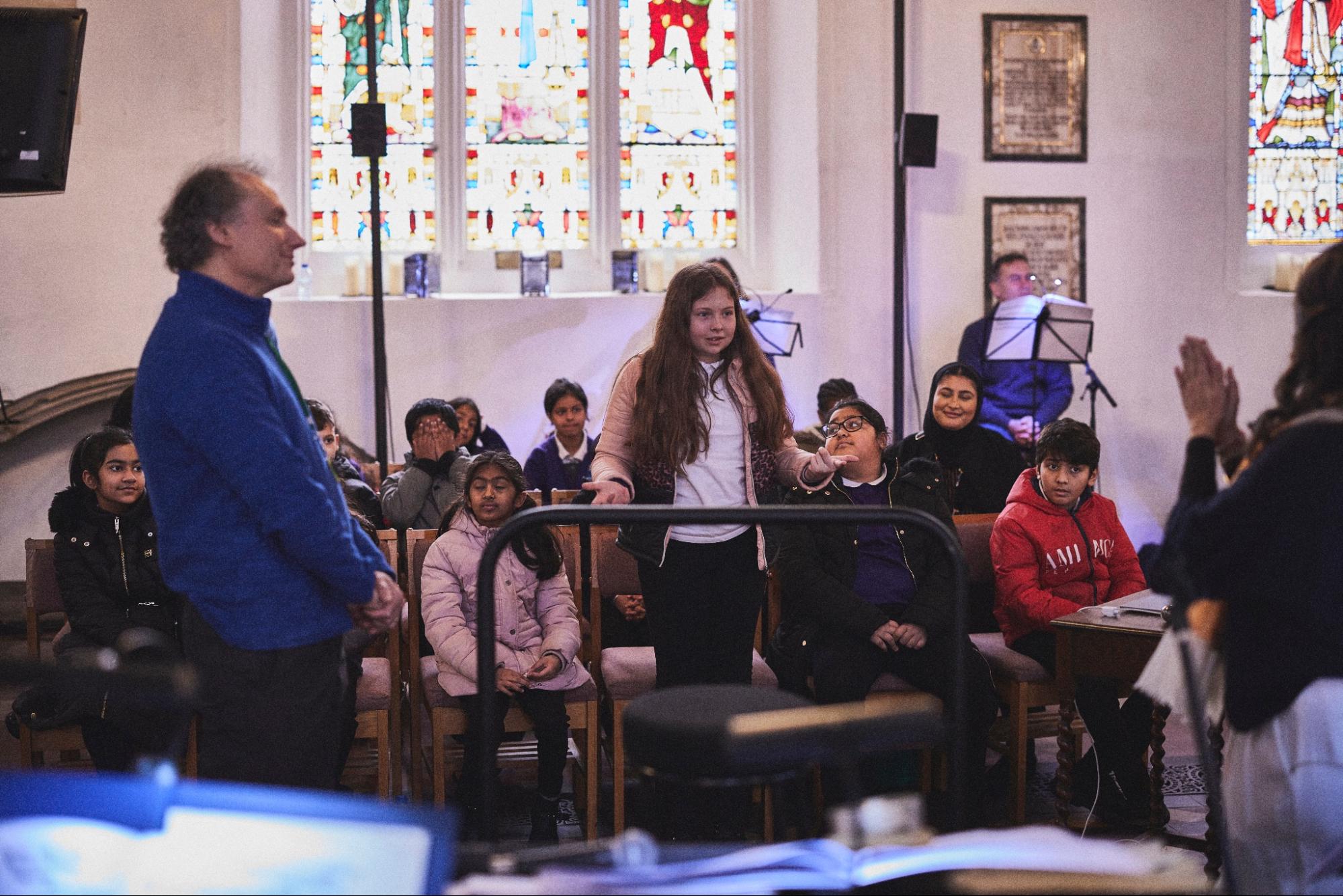
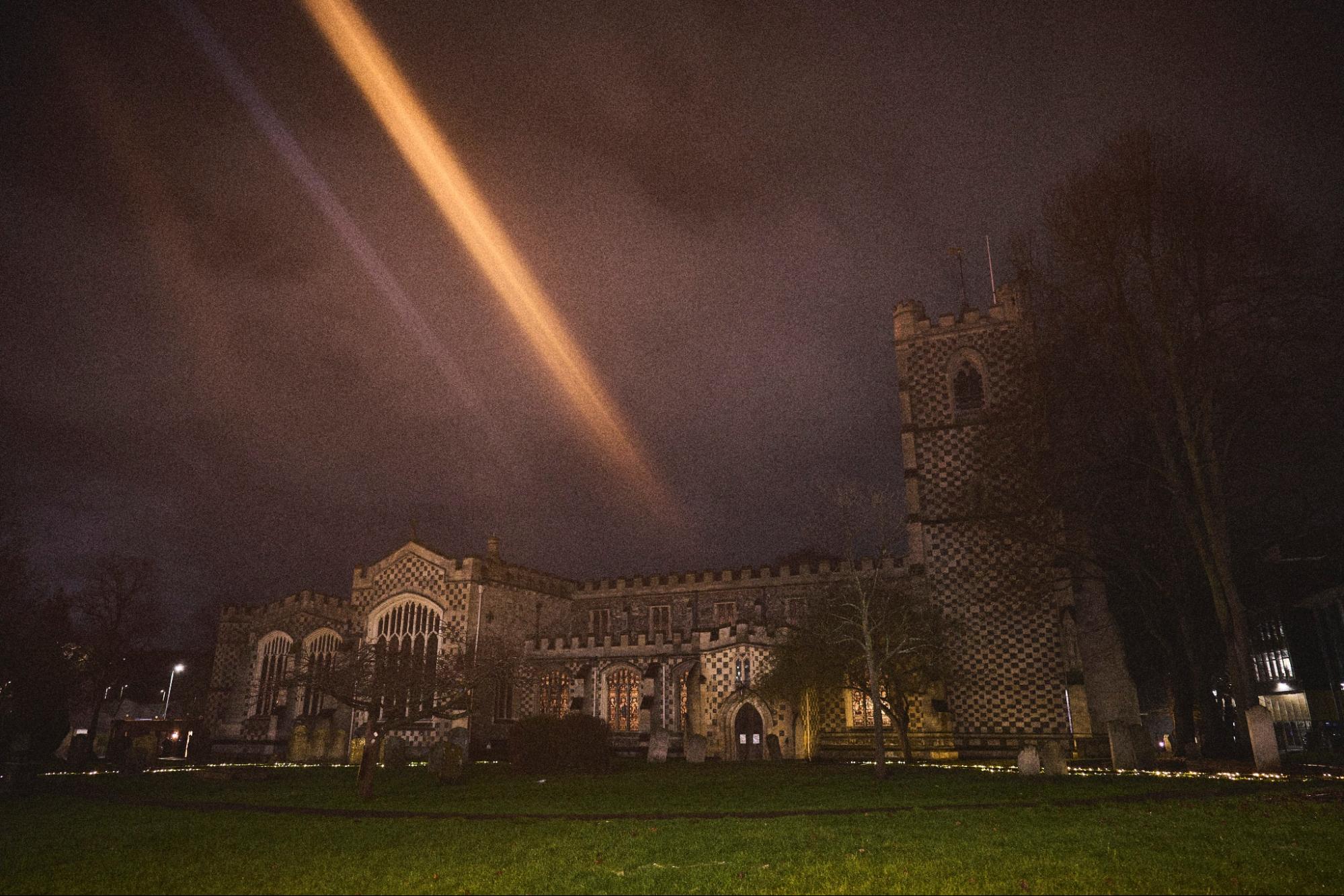
As an airport town with one of the UK’s youngest, most transient, diverse demographics, Luton was an ideal place for the Premiere of Harmony of the Worlds. The Project was based at St Mary’s Church, a beautiful, atmospheric, architecturally unique space dating back over 1000 years and situated in the centre of town. As a vibrant place with both social challenges and huge creative potential, Luton was an inspirational starting point for the Harmony of the Worlds project – an integrated journey encompassing performance, research, education, outreach, and social prescription.
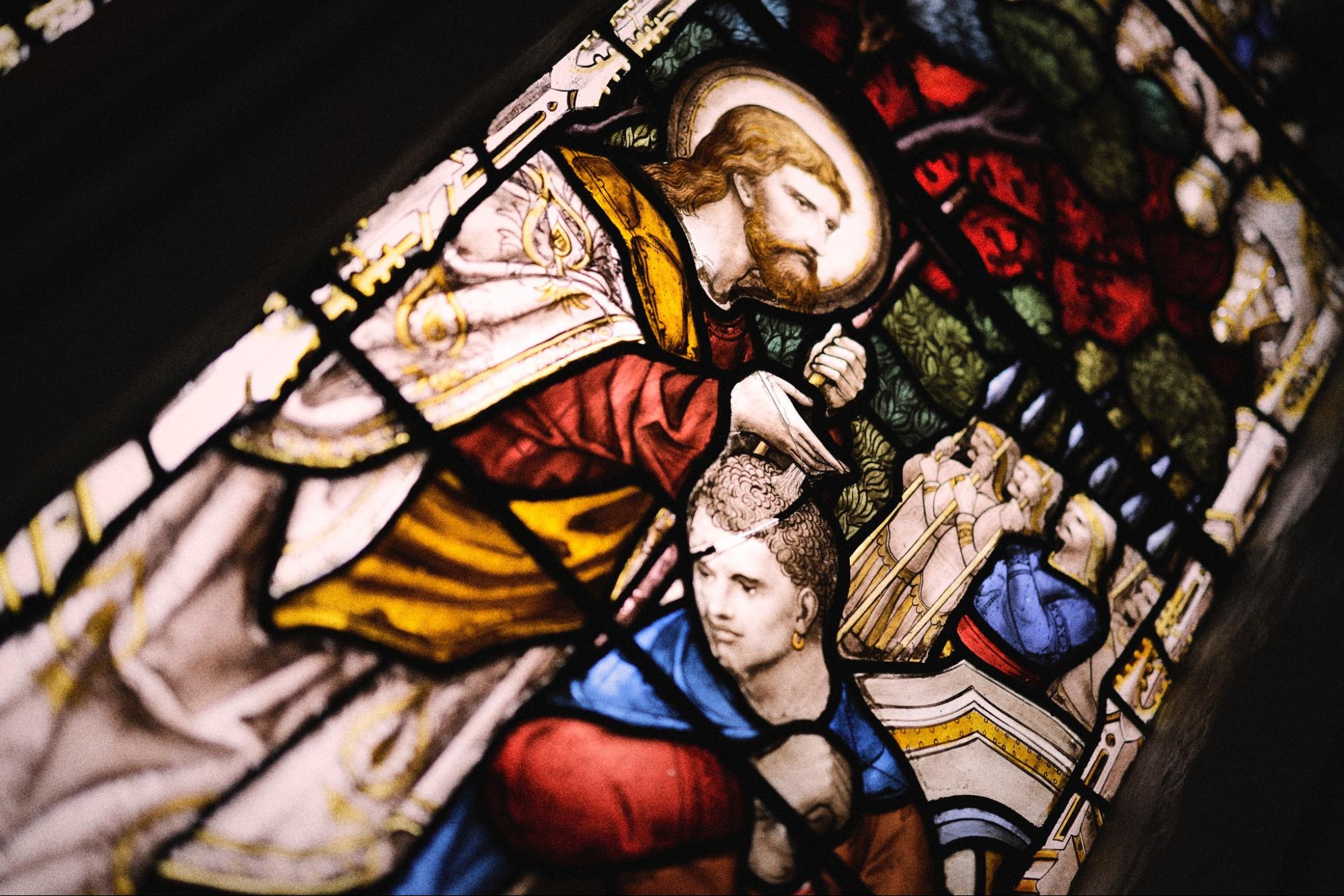
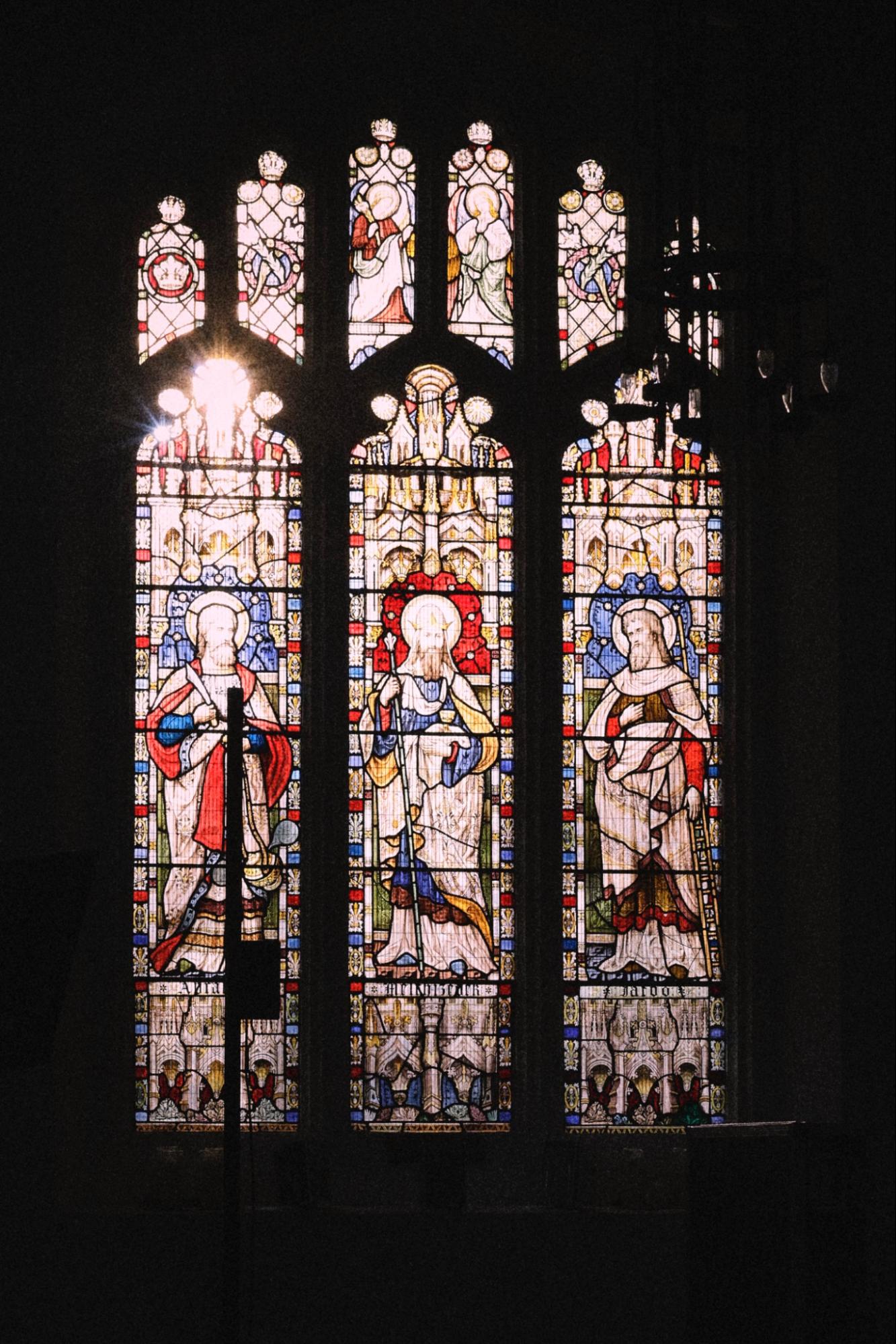
“Calm. At peace. Content. Warmth. Sense of humanity and a kinder world. I love the way Essence prepared us for Beethoven and I liked the sequence into the symphony. I loved the experience.” – Participant
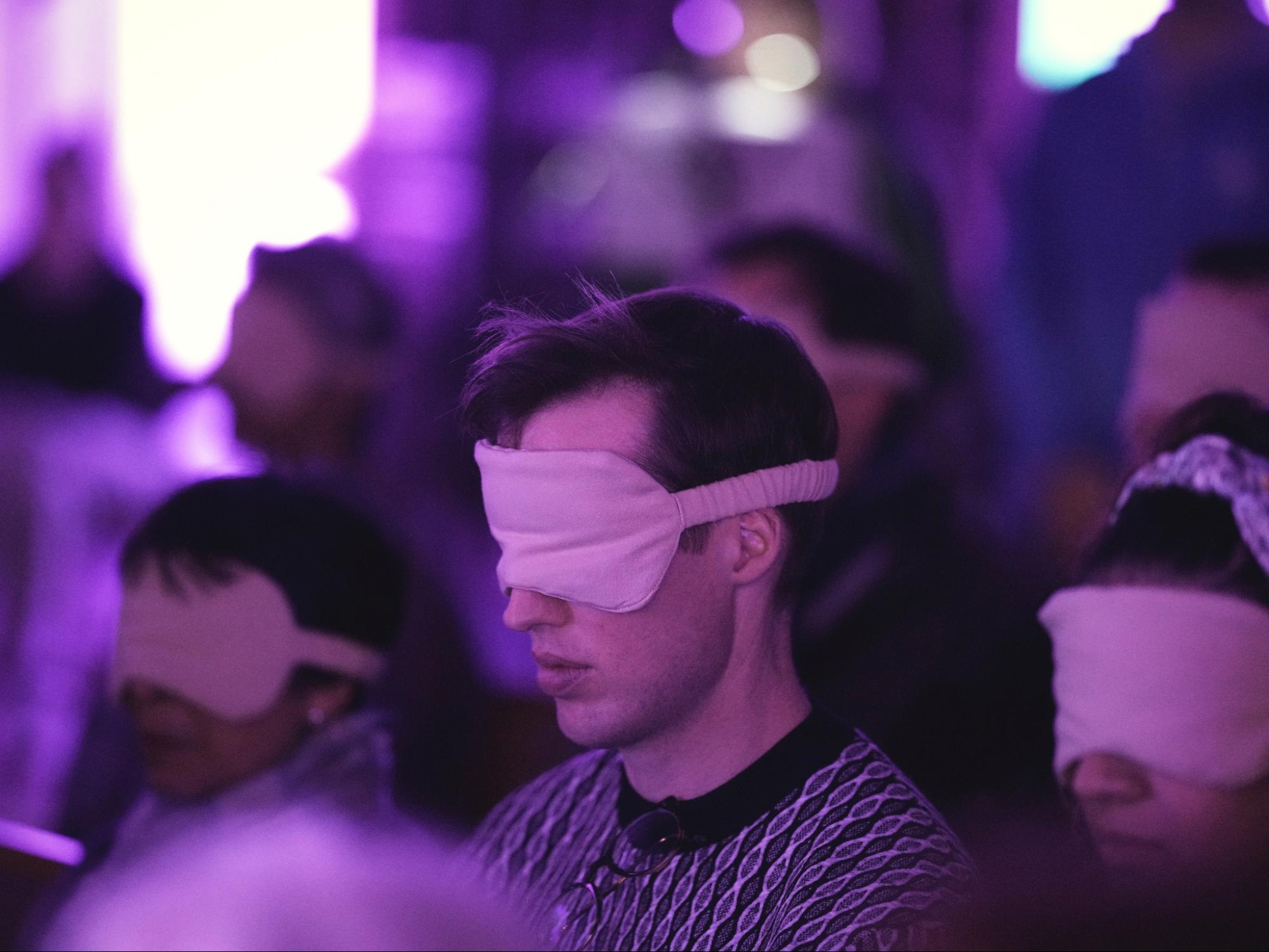
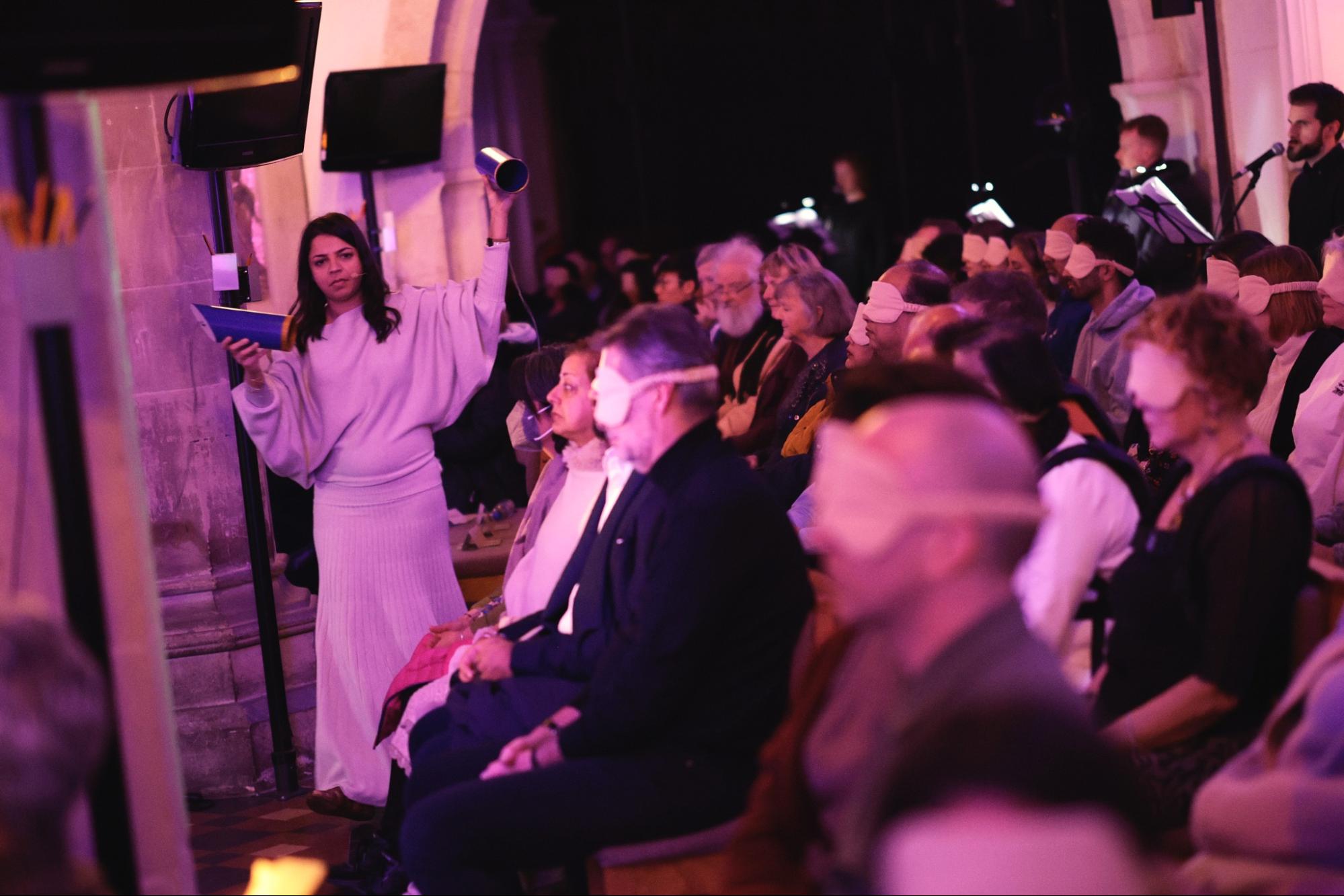
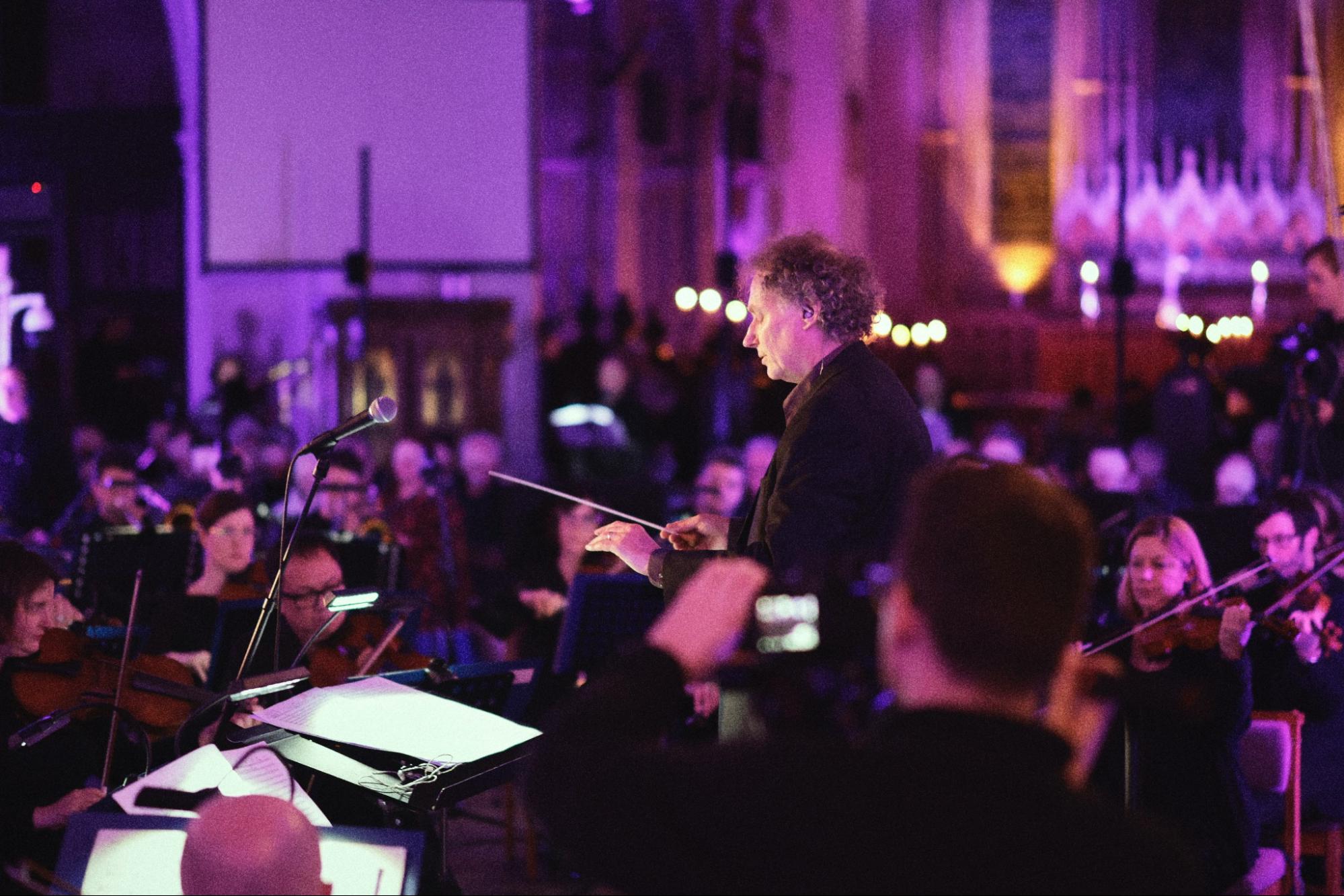
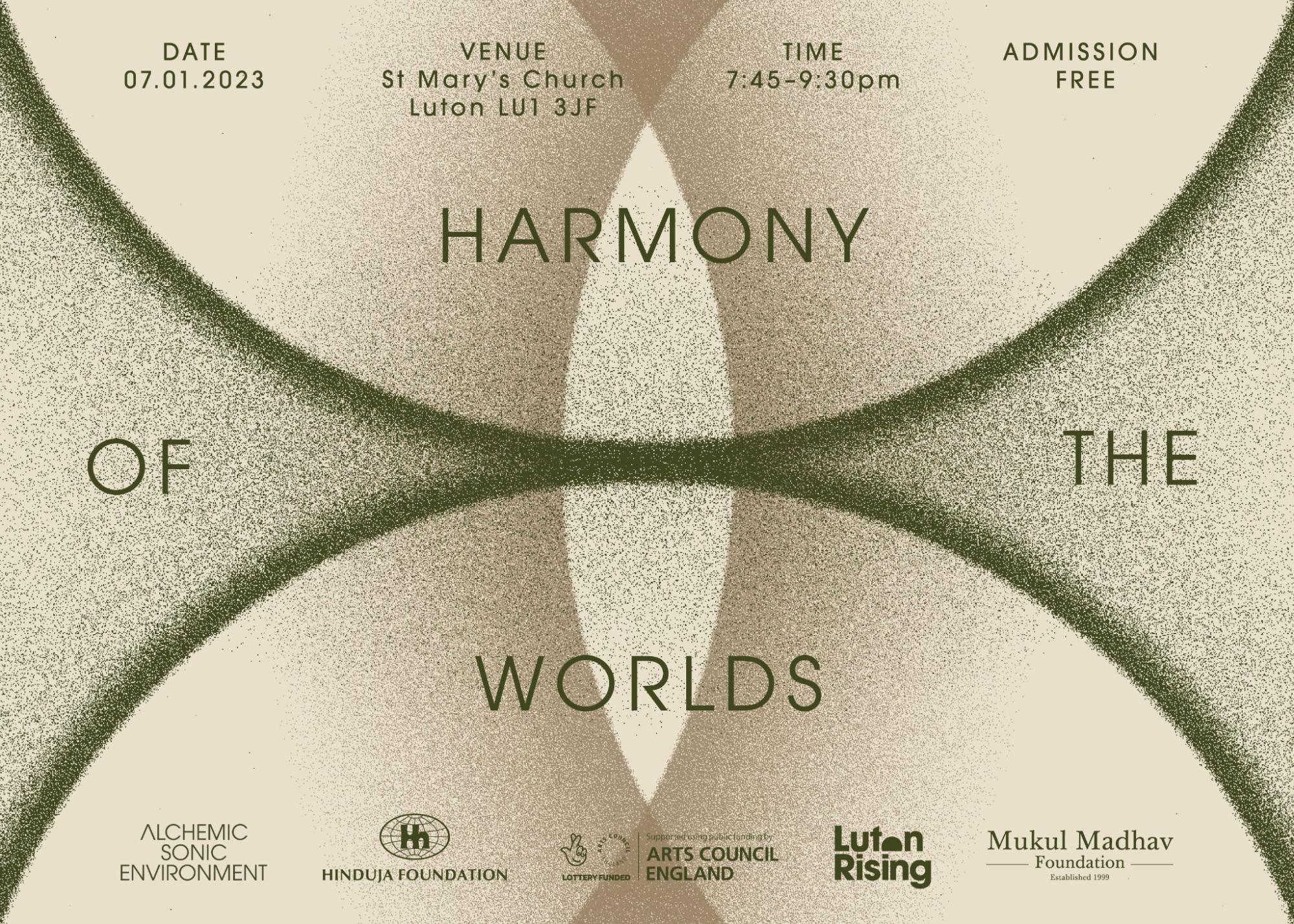
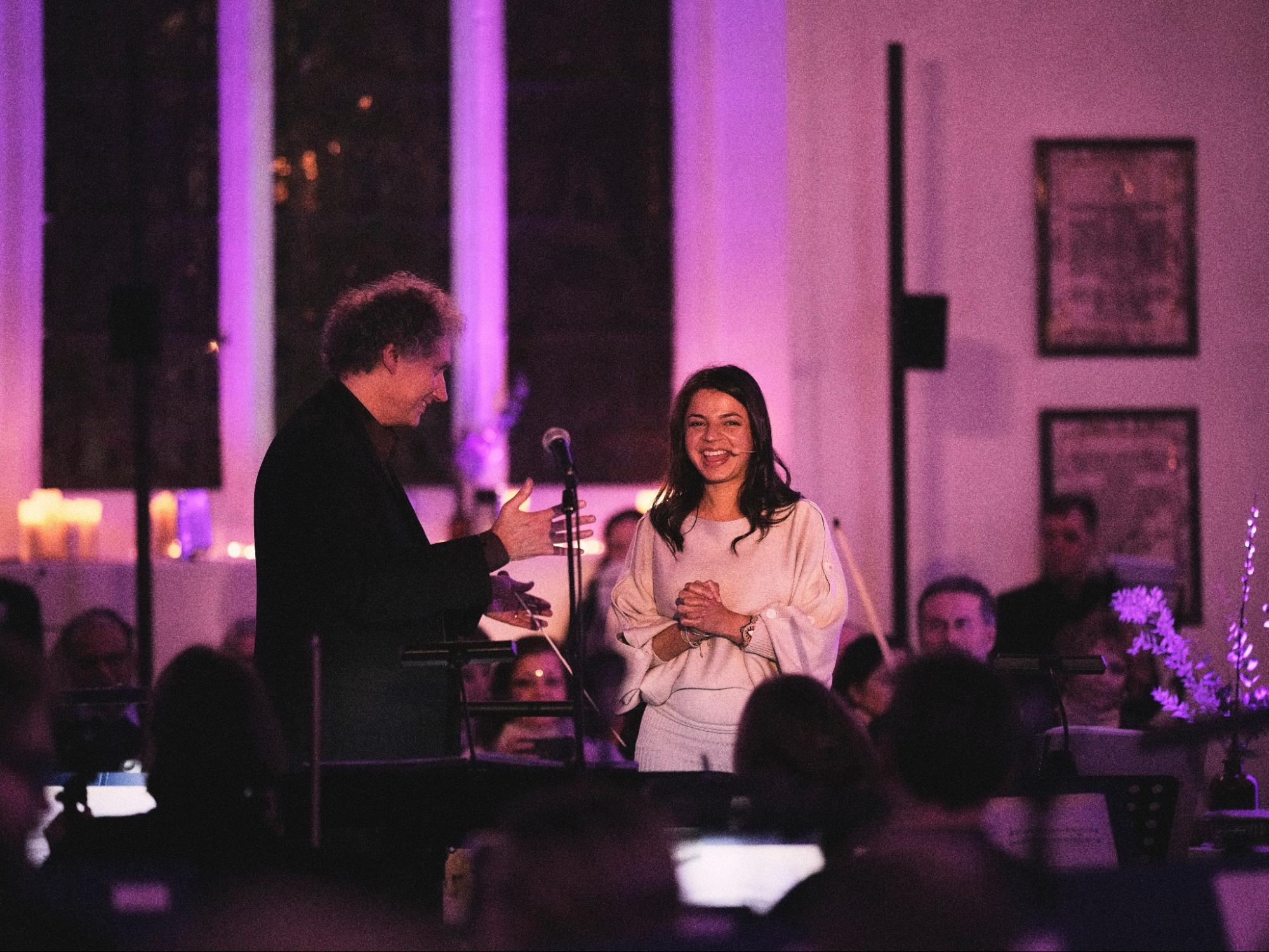
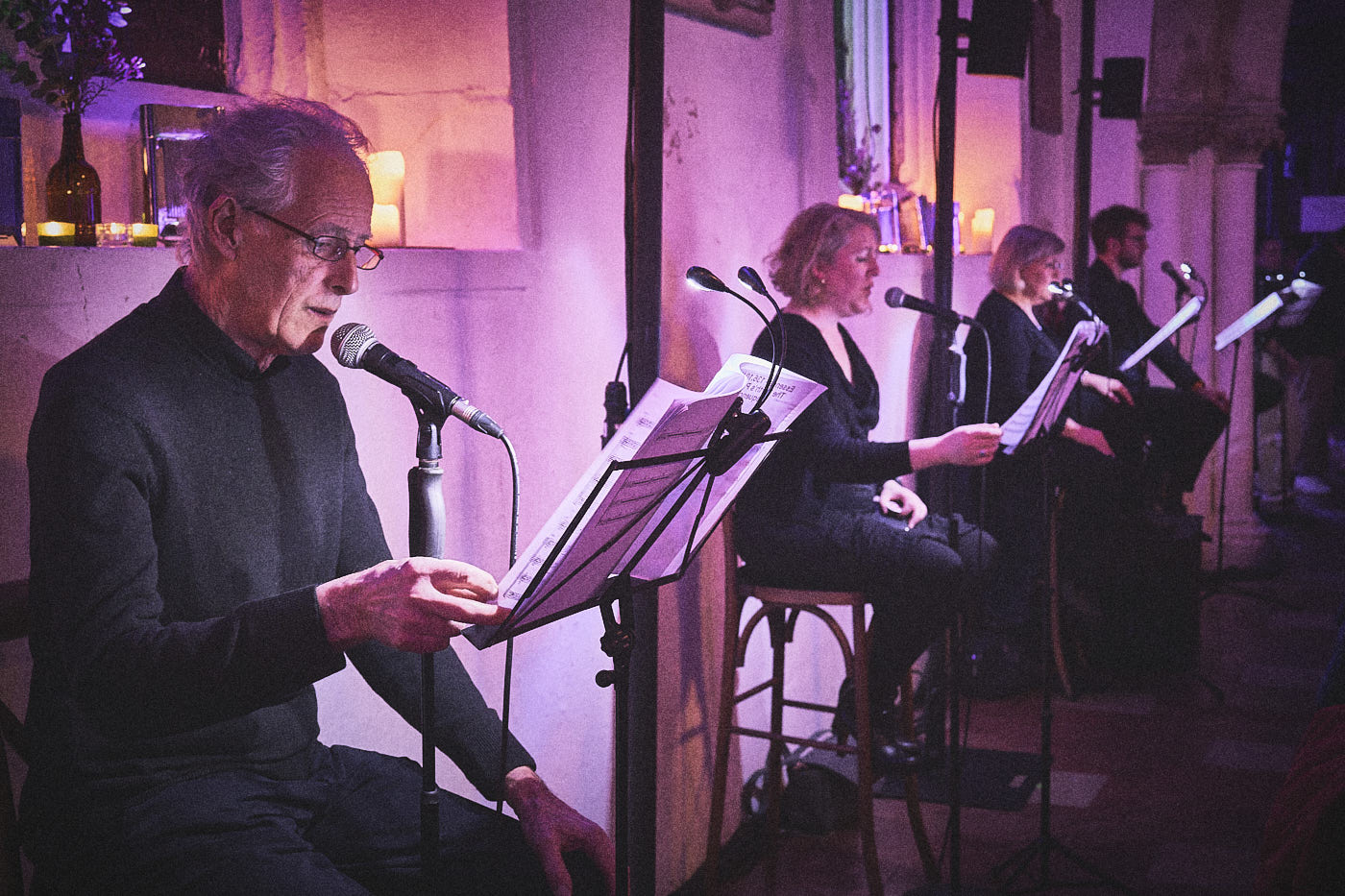
The Premiere Harmony of the Worlds experience took place in January 2023 in St Mary’s Church. link: https://www.alchemicsonicenvironment.com/harmonyoftheworlds.
The World Premiere of Harmony of the Worlds featured the following programme:
Essence I Symphony No. 6 Satya Hinduja Ludwig van Beethoven Satya Hinduja Essence II
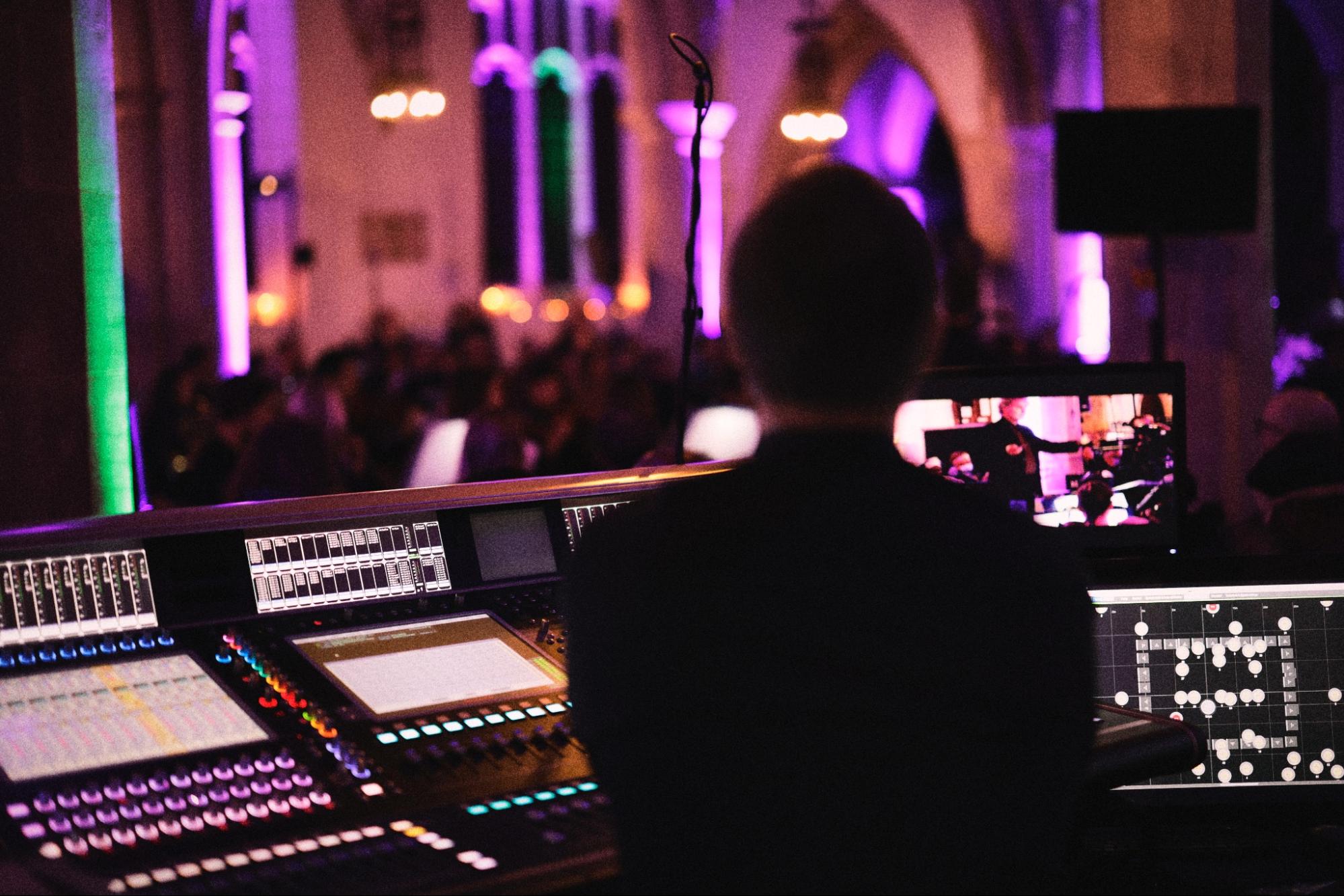
‘It took me to a different space. I forgot about everything for the whole experience. It was extraordinary. I also felt a weight and pressing on my body. Very interesting and strange at the same time. A transcendental experience.’ - Participant
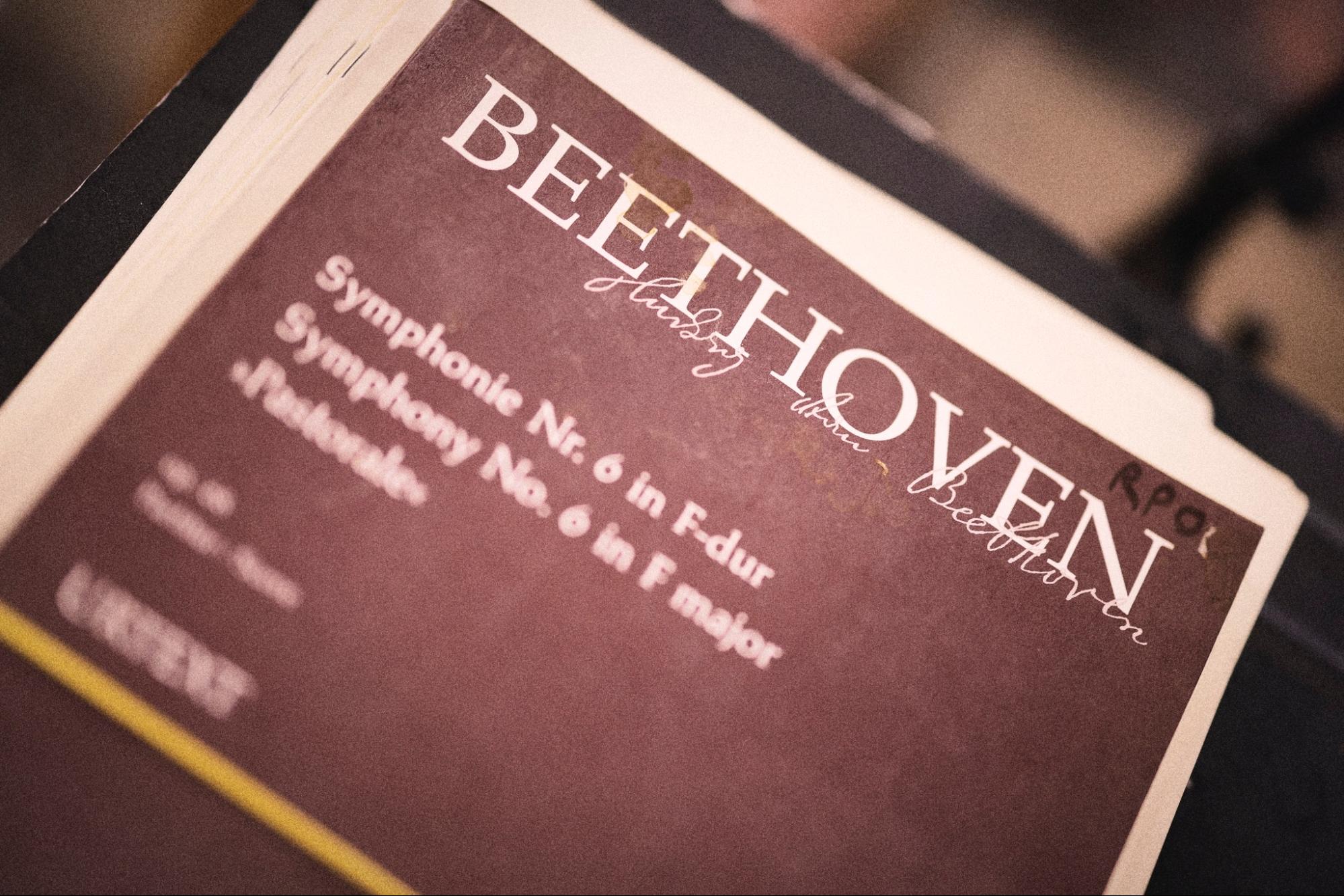
In this foundational iteration of Harmony of the Worlds, the listener, attuned by Essence to the frequencies of nature, continues their Alchemic Sonic journey with Beethoven’s Pastoral Symphony, the composer’s ecstatic contemplation of the natural world.
Beethoven’s Pastoral Symphony explores nature’s capacity to heal alongside its capacity to impact dramatically in the lives of human beings - an environmental message especially relevant for our times.
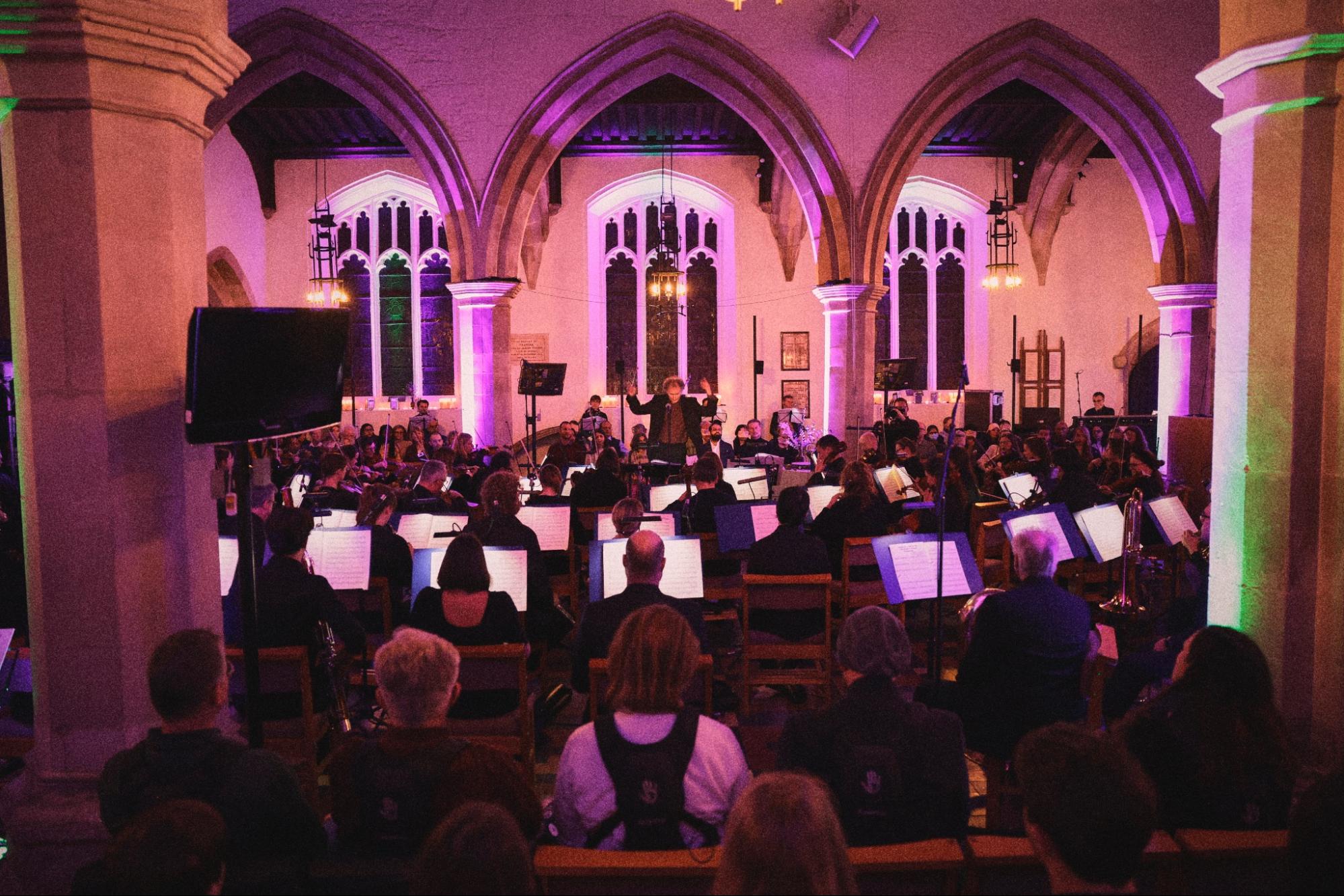
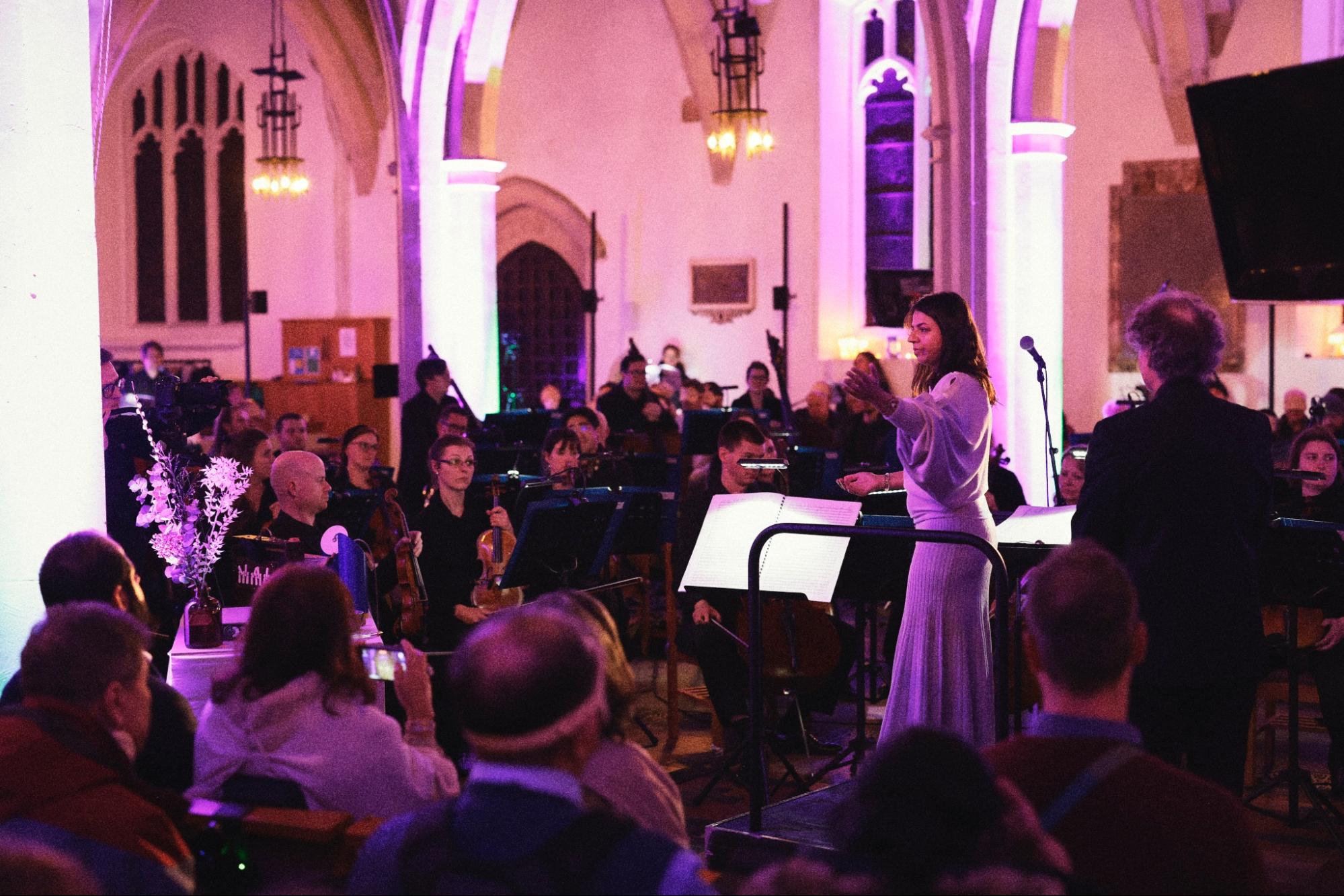
Essence then returns, completing the Harmony of the Worlds experience, with 136.10 Hz The Earth’s Primal Frequency tuning us to ourselves, to each other, to planet Earth and to our all-embracing ecosystem.
In bridging Satya Hinduja’s Essence: 136.10 Hz The Earth’s Primal Frequency with Beethoven’s Pastoral Symphony, Harmony of the Worlds continues a musical tradition straddling millennia, whilst enabling listeners to encounter sound and music in a completely new way.
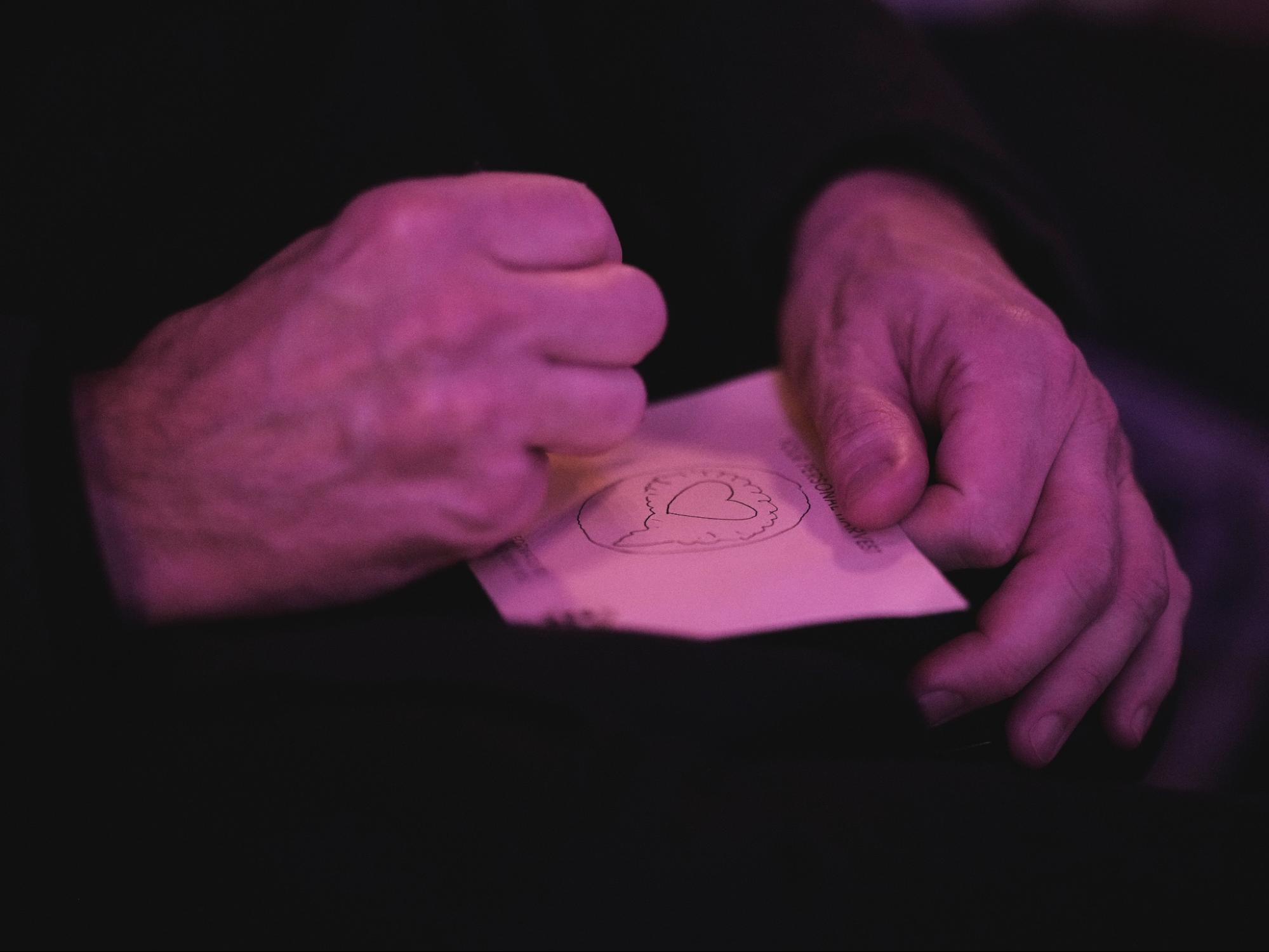
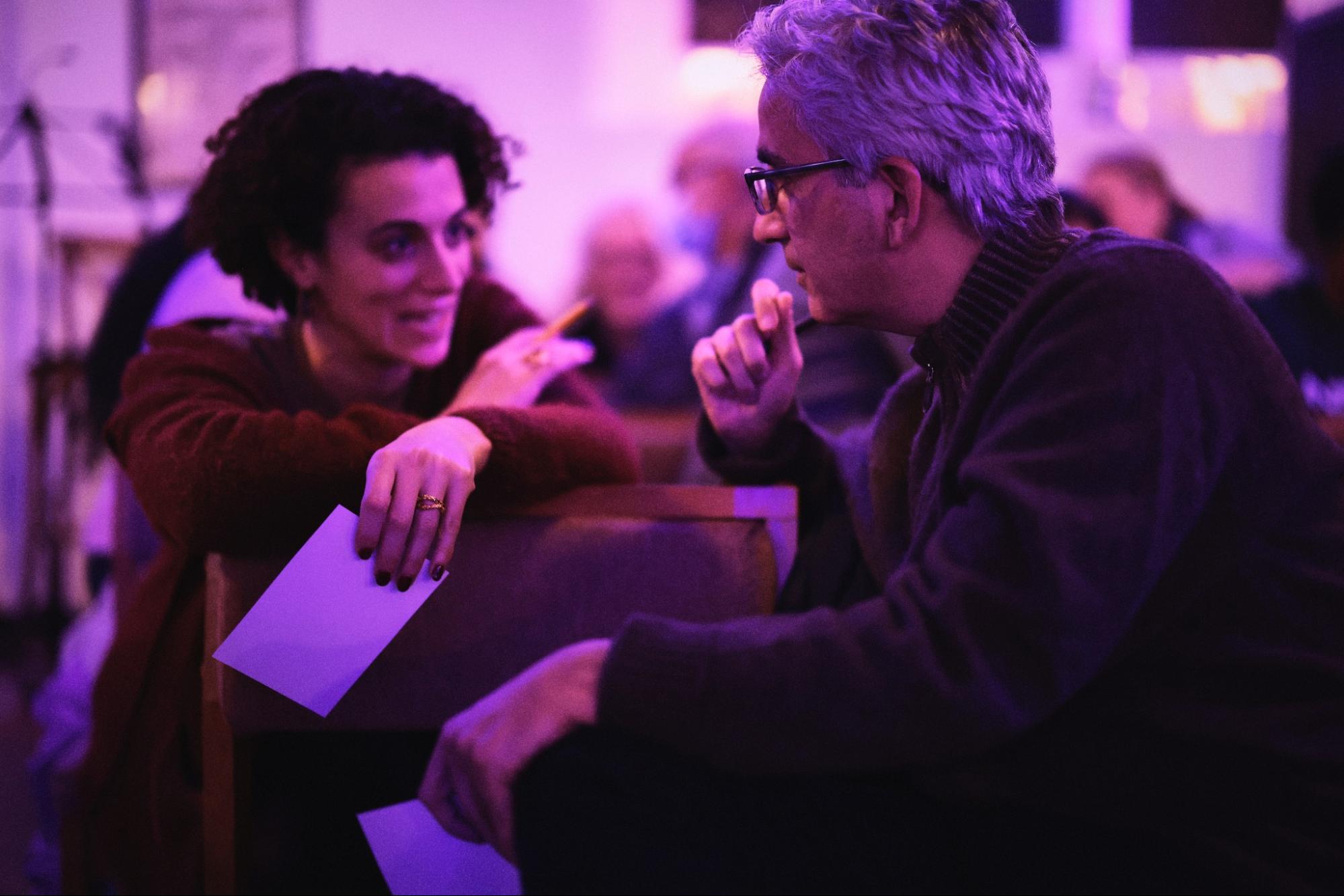
Alchemic Sonic Environment’s vision is to enable each performance or experience to contribute to our continually evolving research and development. In order to facilitate this, we have partnered with the Dialogue Lab - see Research and Development for more information. Immediately after the experience the public was asked to write down their feelings and insights on personal ‘harvest cards’.

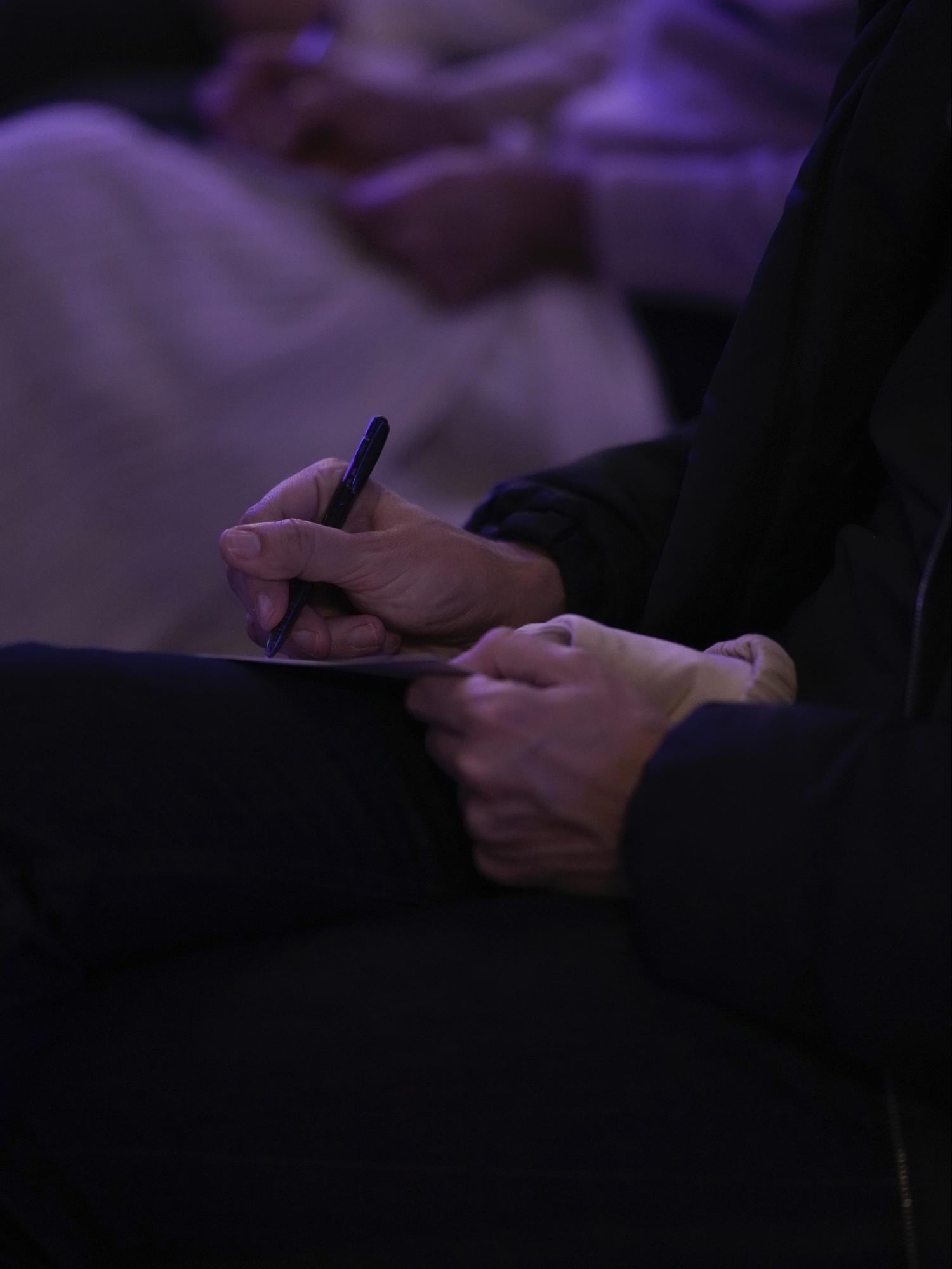
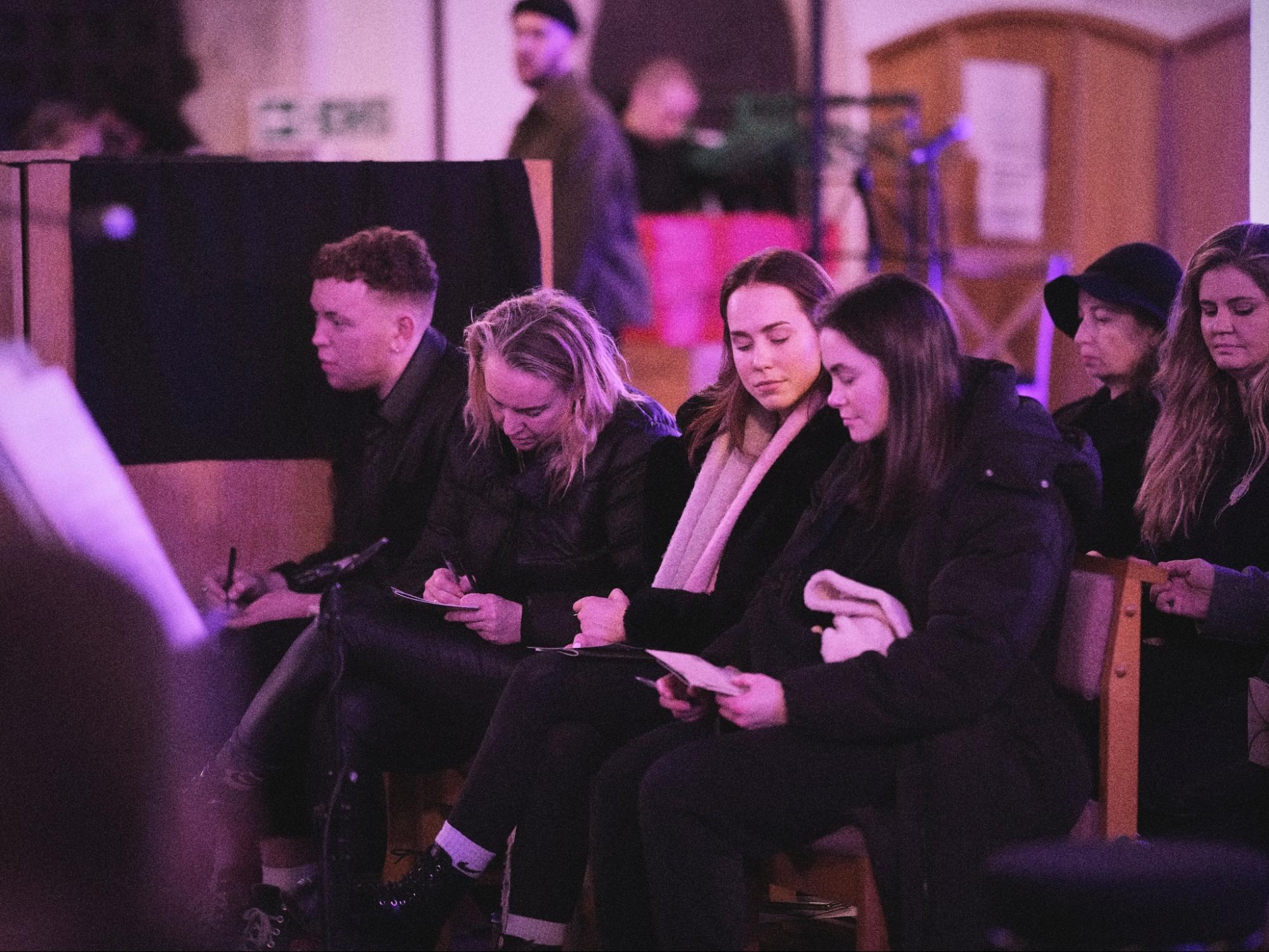
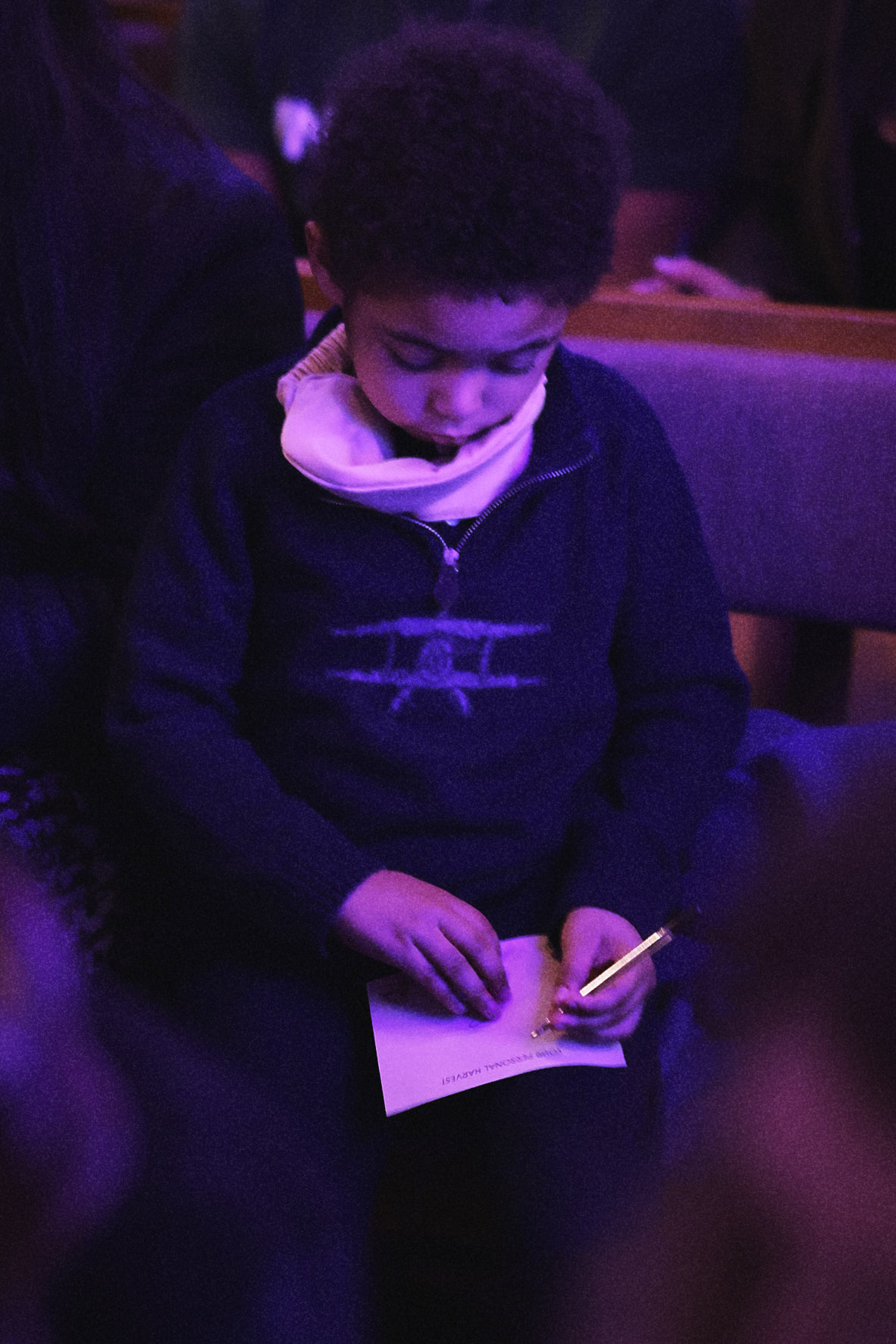
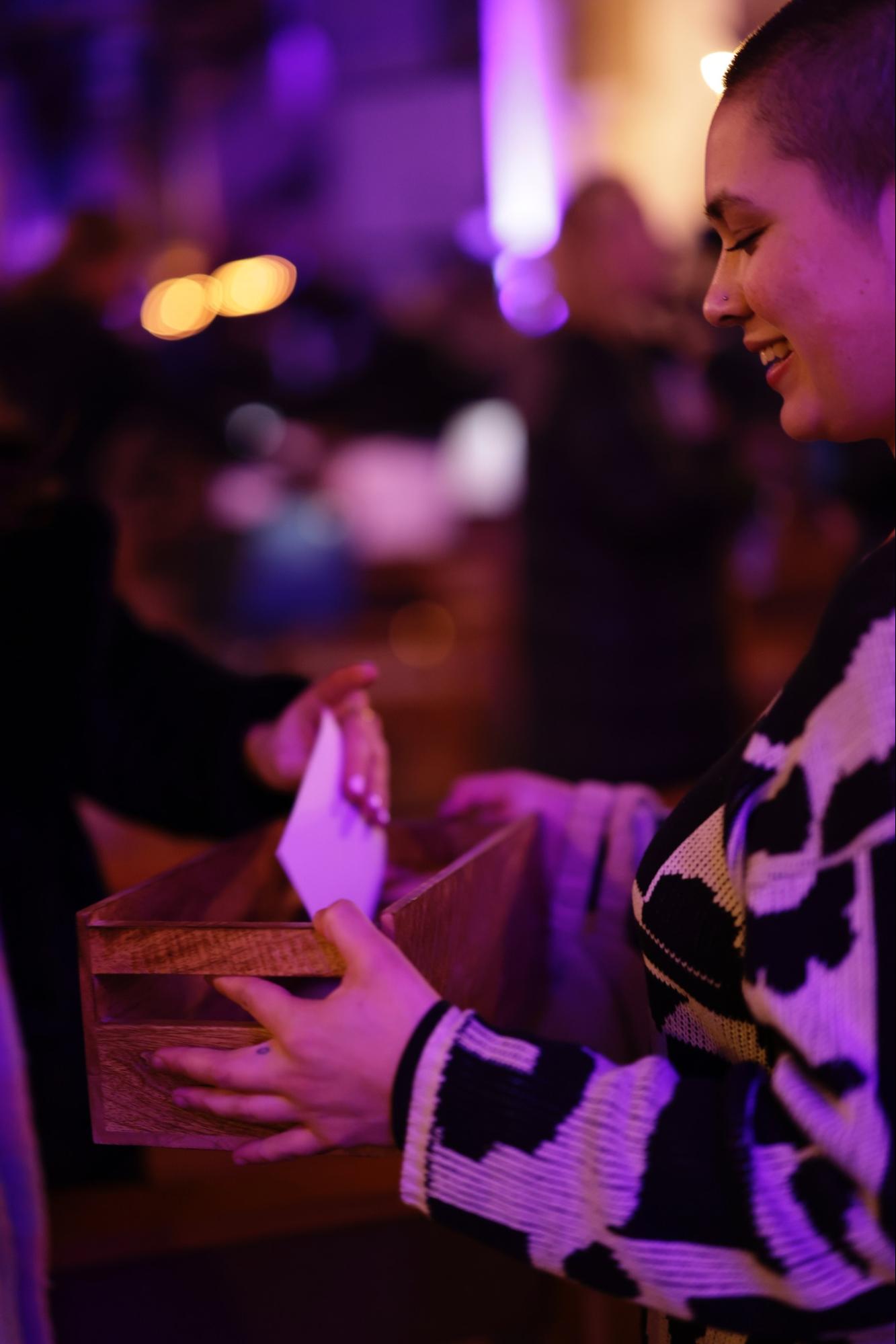
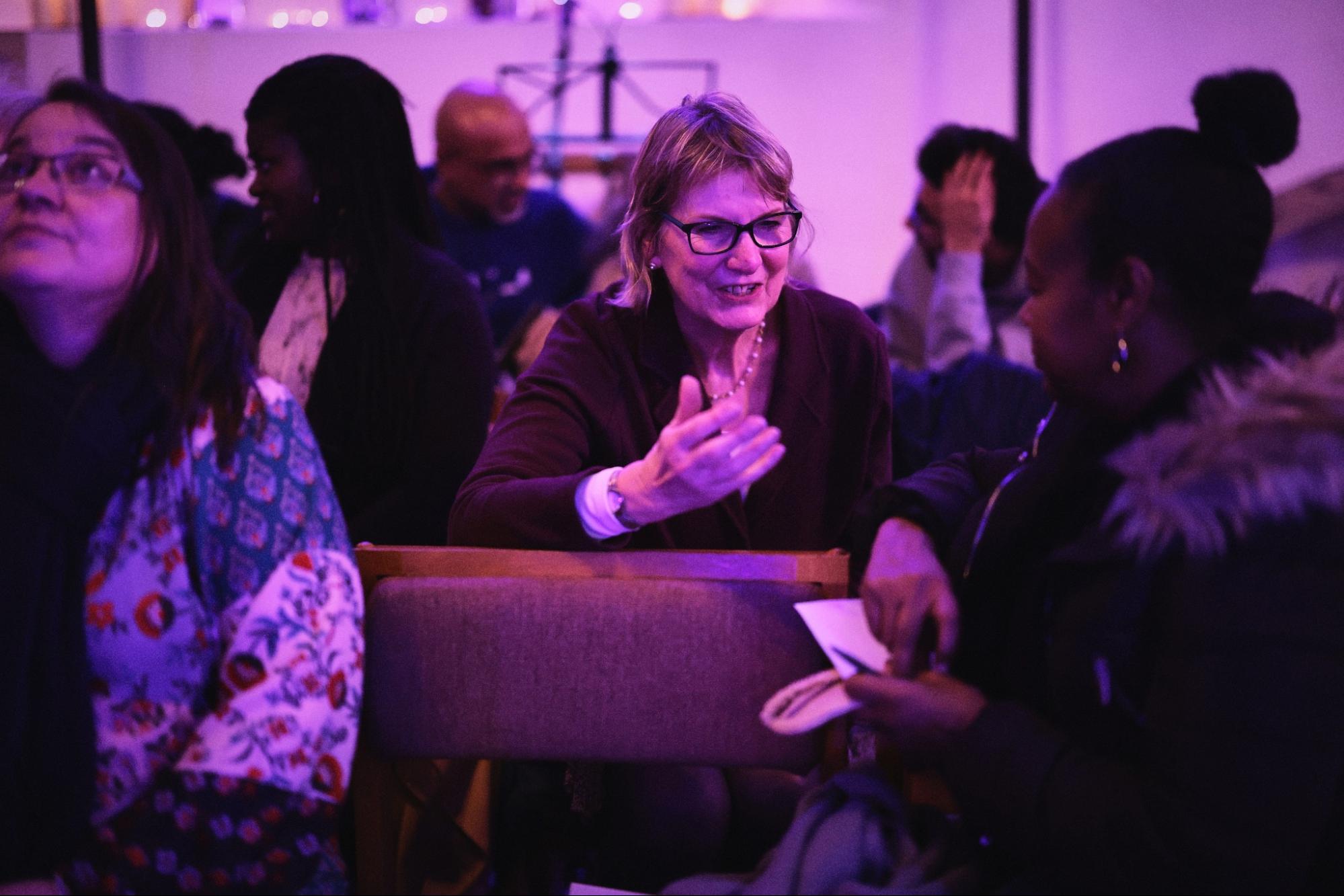
In a second stage the audience was challenged to find an unknown partner and exchange their ‘harvest’ with each other. Consistent anecdotes were collected finding impressions of calm, inner self connection, imagination, freedom, and the suspension of any pressure.
During the height of the Covid pandemic, the Royal Philharmonic Orchestra opened a dialogue with David Murphy regarding new ways of connecting with audiences. The seeds of Harmony of the Worlds were planted at this point, resulting in a series of ASE Method - based virtual experiences and workshops for RPO musicians in March 2021. These workshops explored two key pillars of the Alchemic Sonic Environment: deep listening and creating improvised music based on environmental frequencies and ratios: music which is literally in tune with nature.
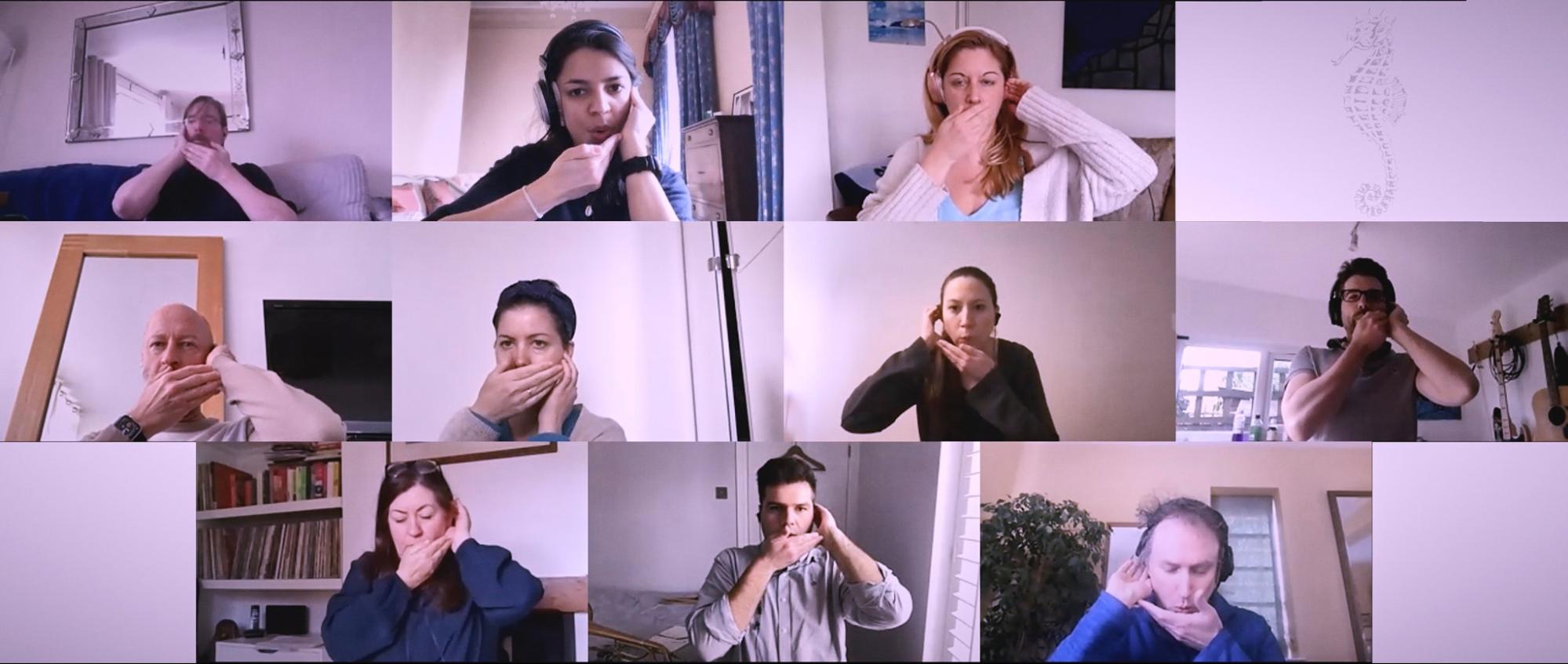
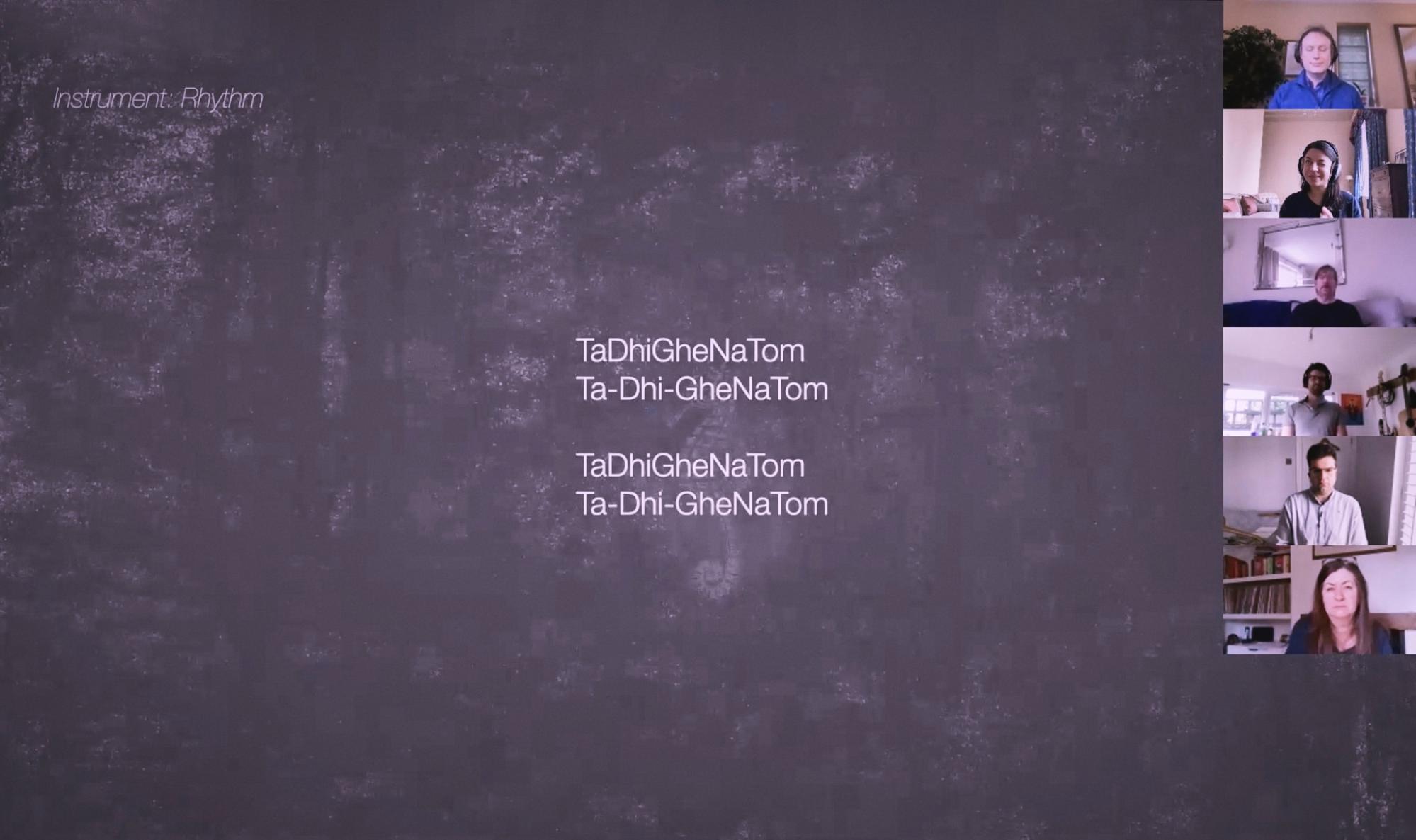
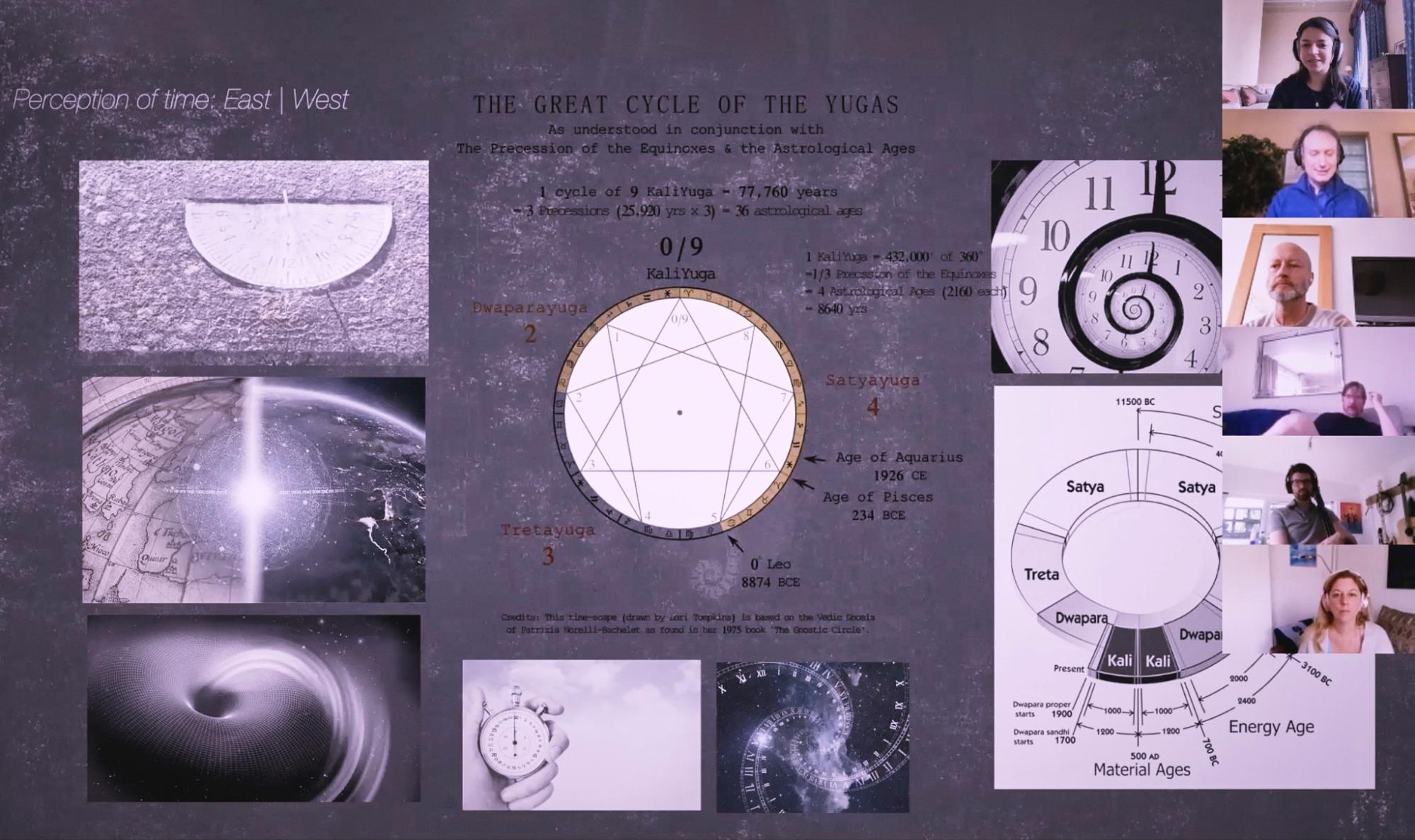
These workshops were very successful, and a decision was made to take the process to the next stage and manifest a live project with the orchestra.
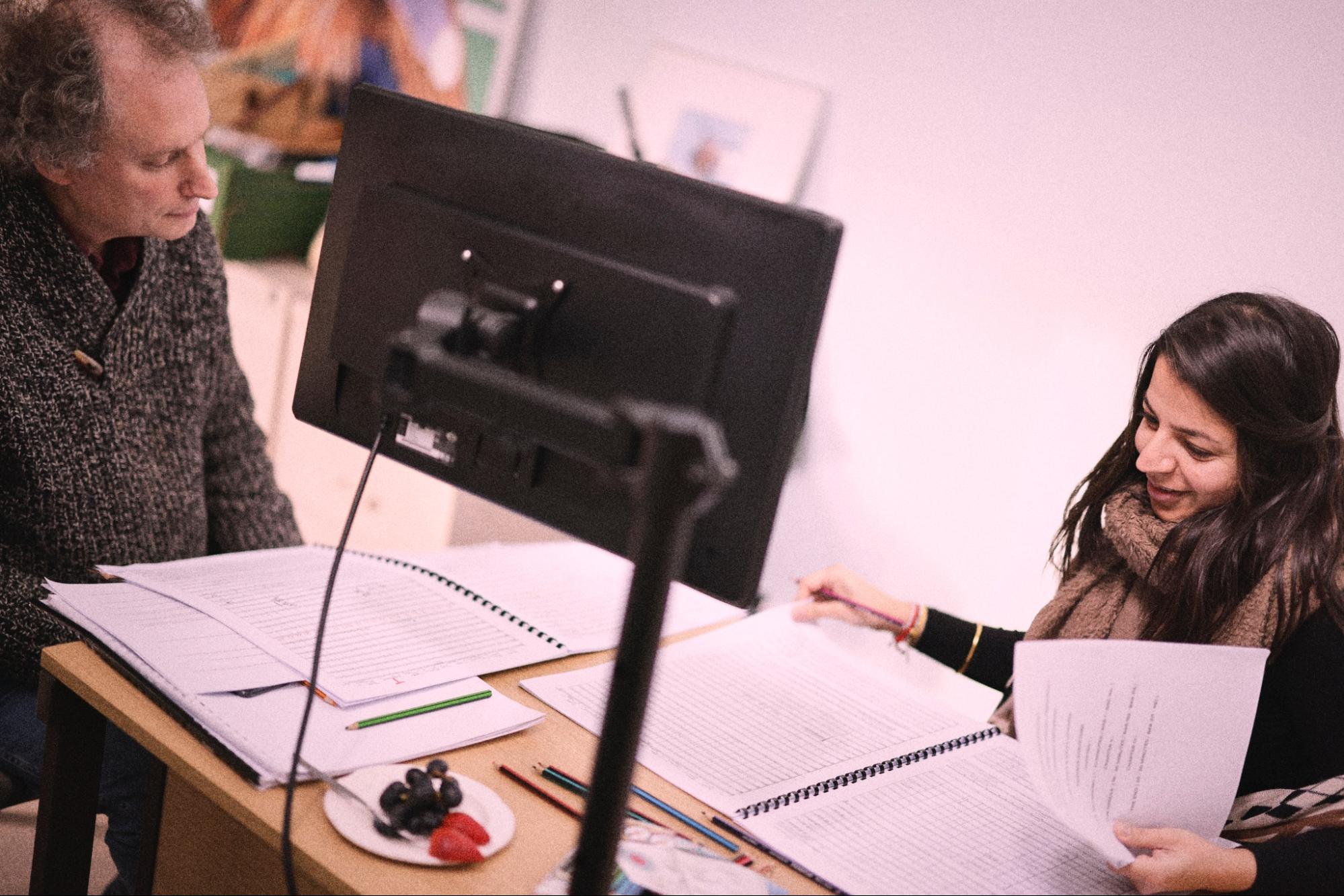
In the months prior to the Harmony of the Worlds Premiere, RPO musicians, Synergy Vocalists, d&b Audio and SubPac Technologists, Satya Hinduja and David Murphy worked intensively to develop the theoretical and technical elements of the project, including a 5-day residency at BalletBoyz Studios, Kingston-Upon-Thames, UK during December 2022
DIALOGUES
To help bring ASE’s deep listening method to life for everyone involved in creating, producing, and experiencing Harmony of the Worlds, we collaborated with THE DIALOGUE LAB, a laboratory for cultural emergence, that co-creates methods of engagement for a participatory culture. In an exclusive partnership with Alchemic Sonic Environment, it explores the inter-relational potential between sound and language.
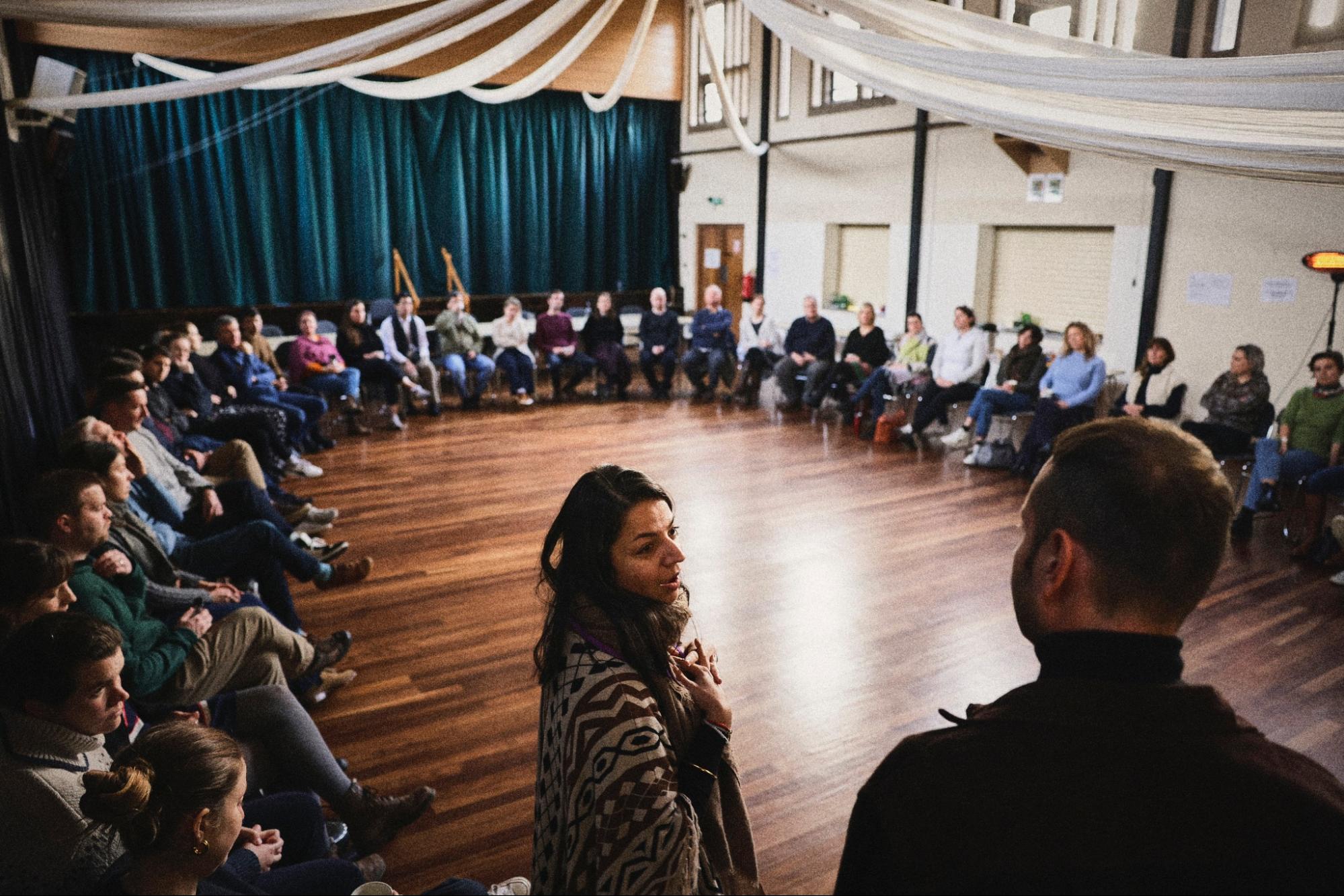
In Harmony of the Worlds, a series of dialogue sessions were held to enhance sonic space in all layers of engagement during the production: Royal Philharmonic Orchestra, Synergy Vocals, School Children, Production Team, as well as the wider Public, bringing people into a deeper listening state, nurturing a unified field for all involved.
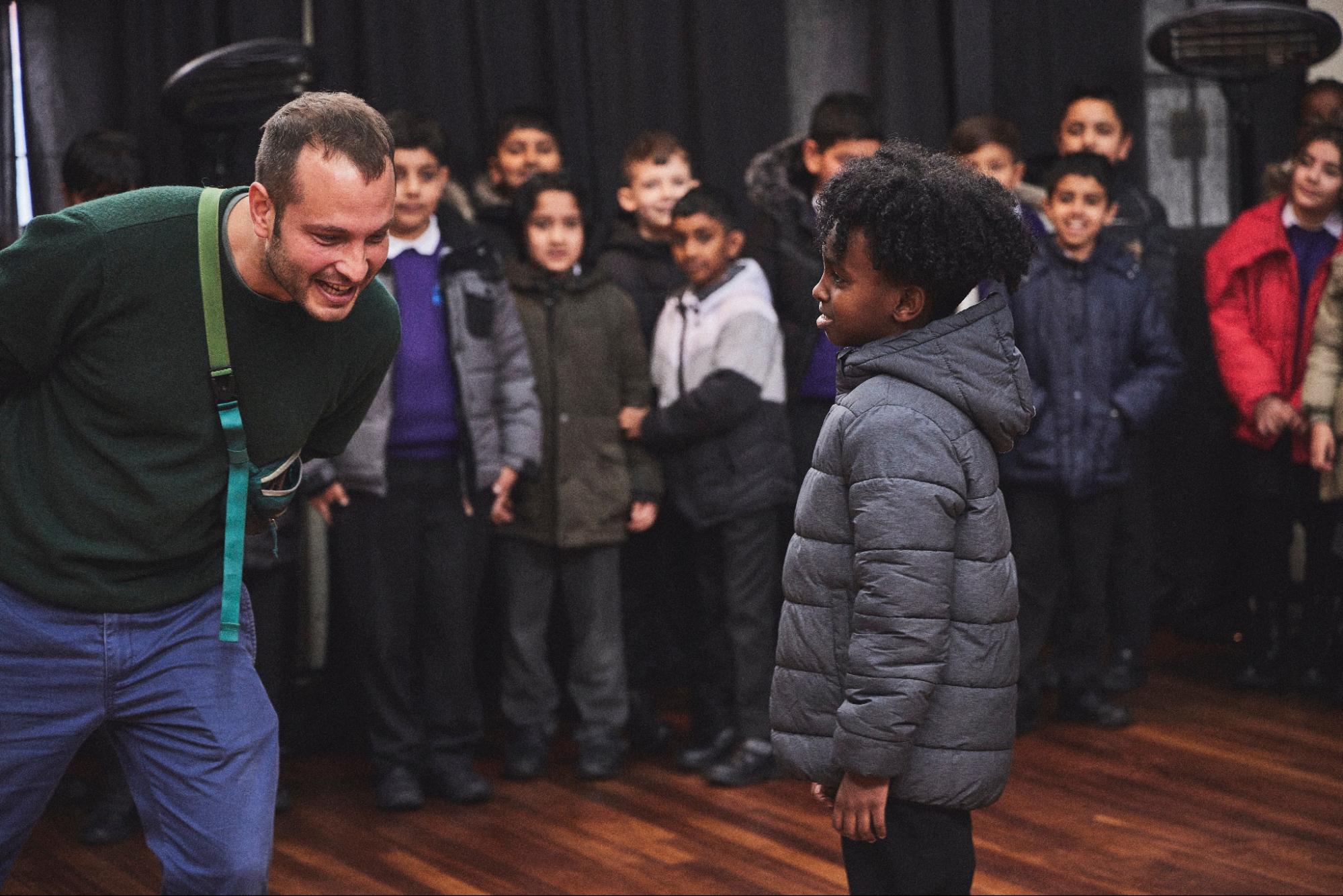
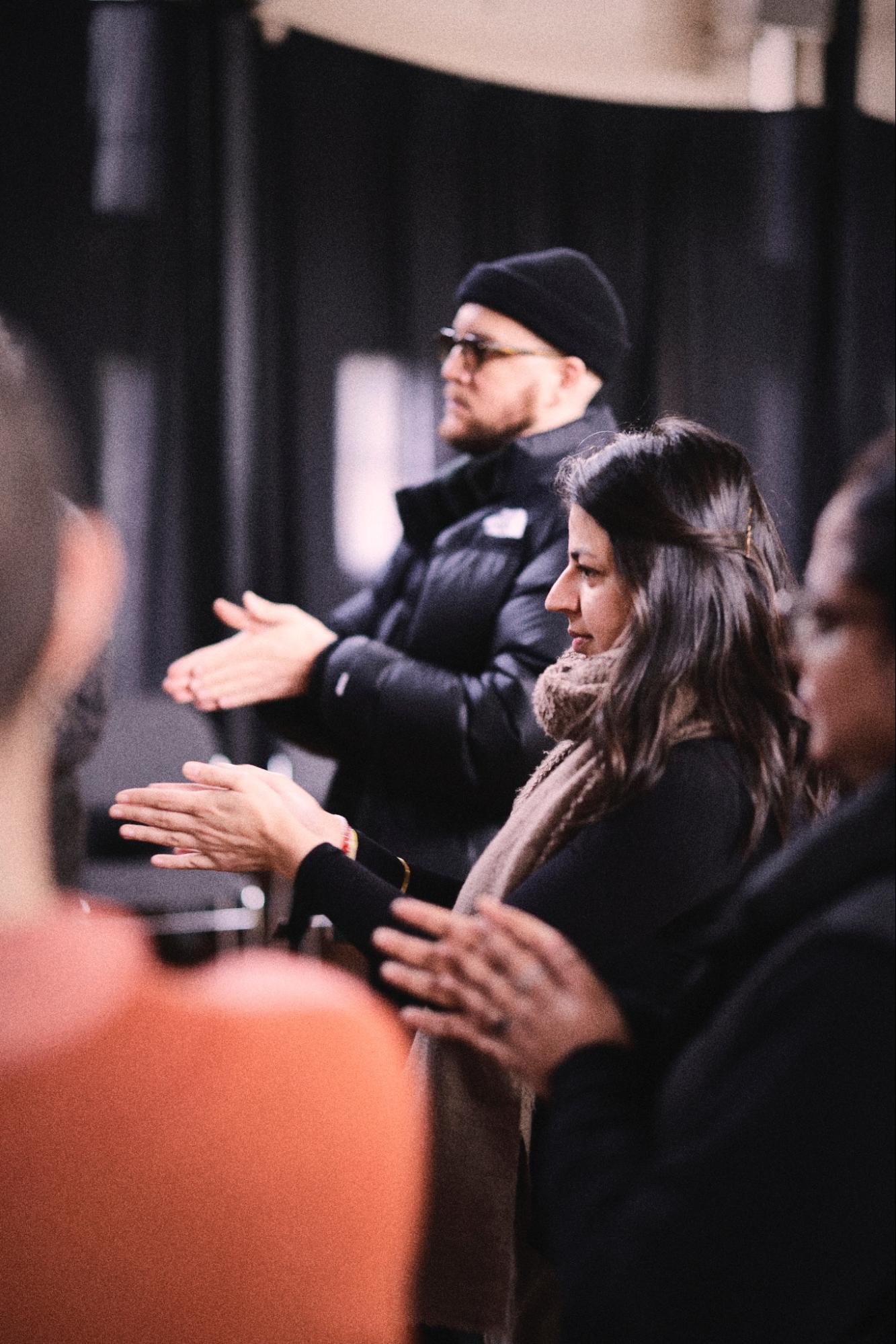
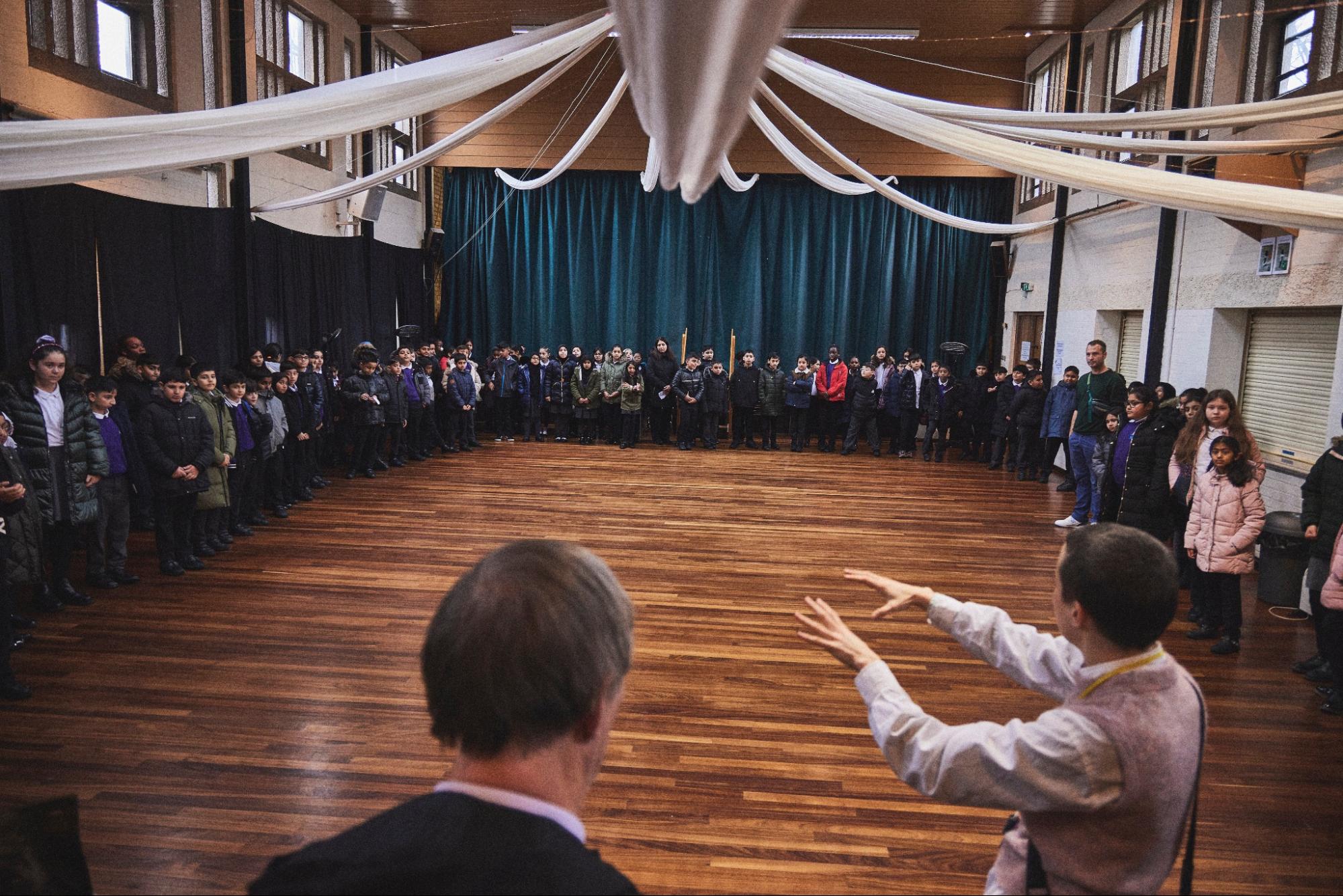
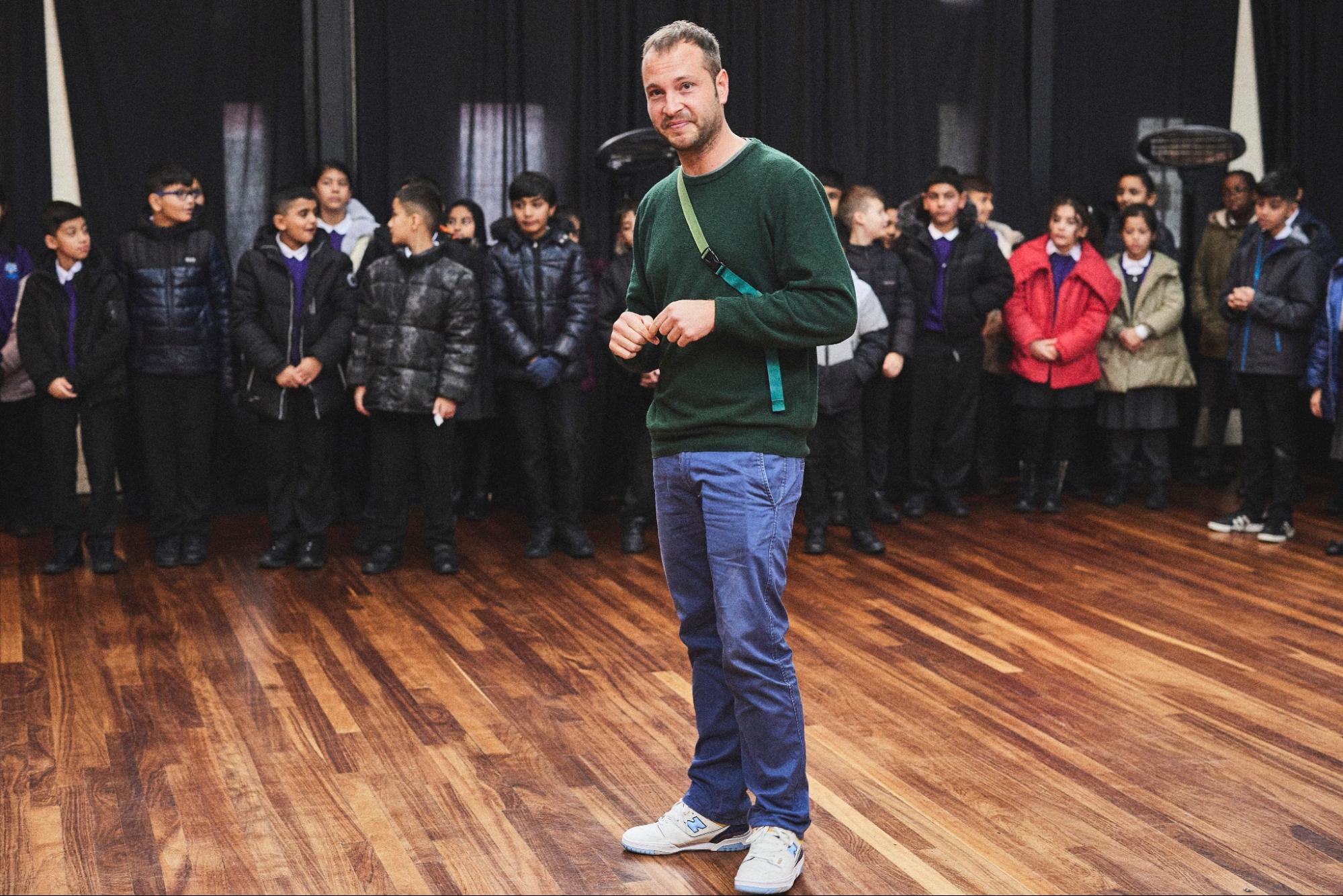
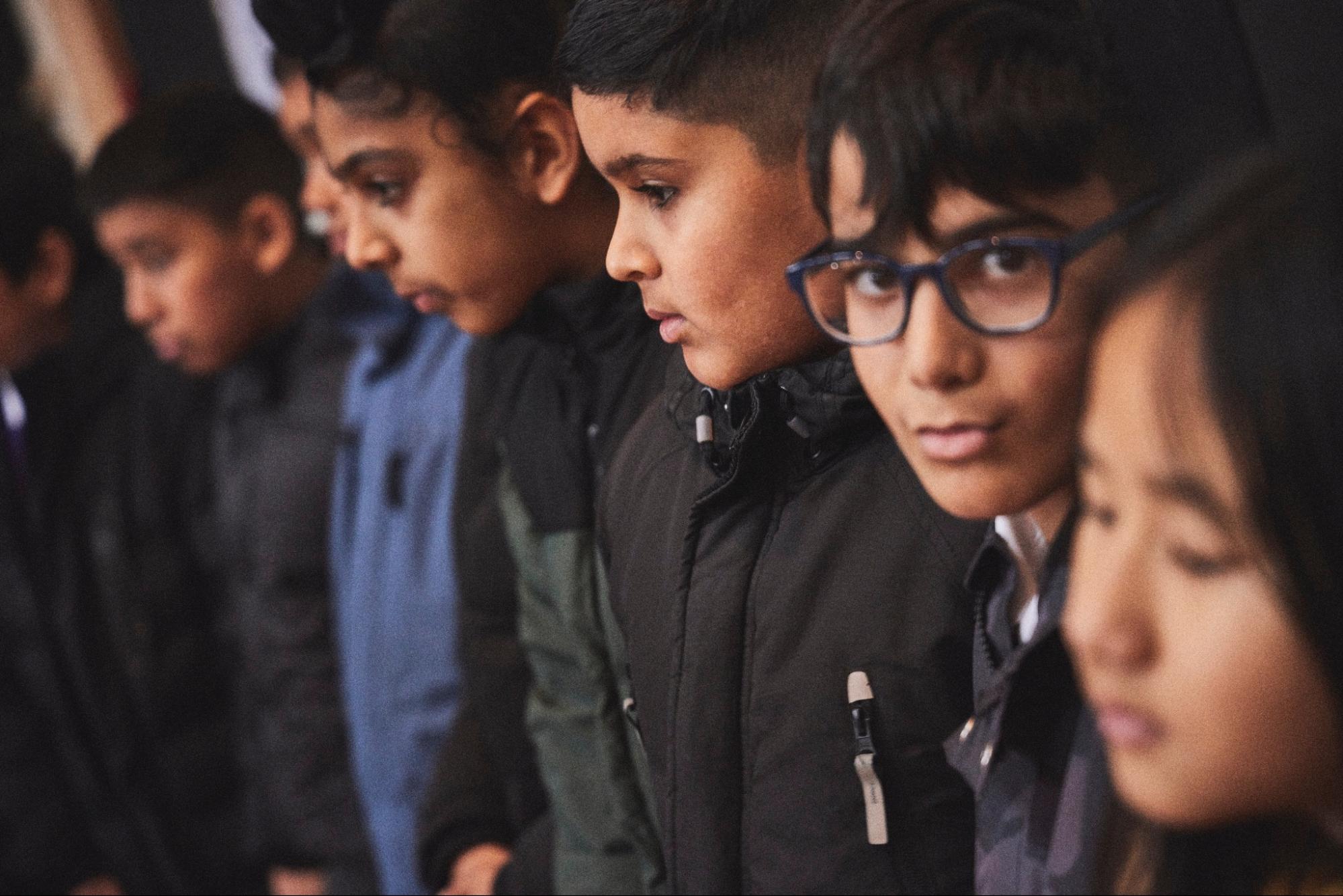
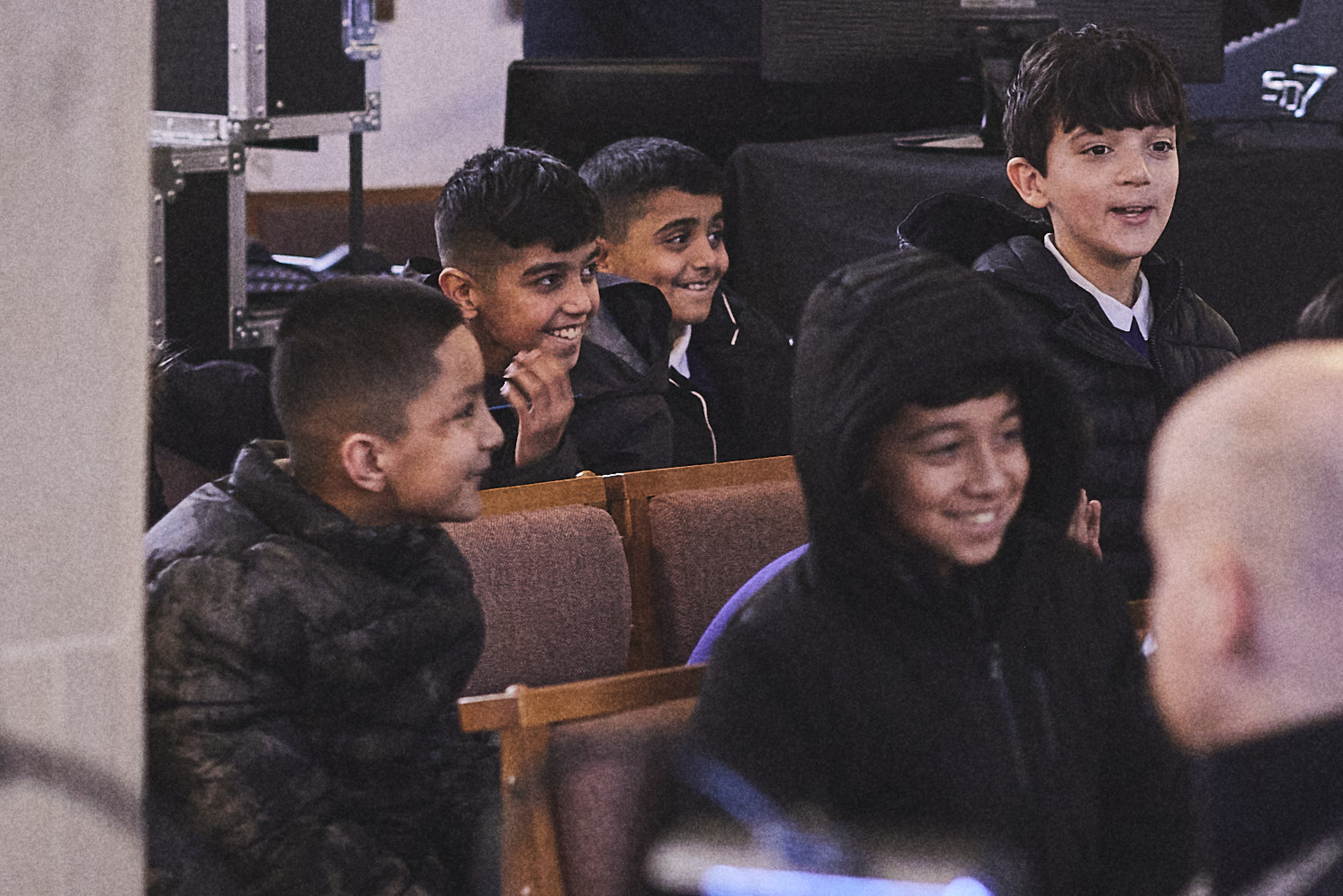

With the perspectives of these communities feeding directly into the artistic and educational process, Luton’s abundant cultural diversity and younger than average demographic inspired a highly creative education project.
“One of my best days ever”. (Year 5 Student, Bushmead Primary School, Luton).
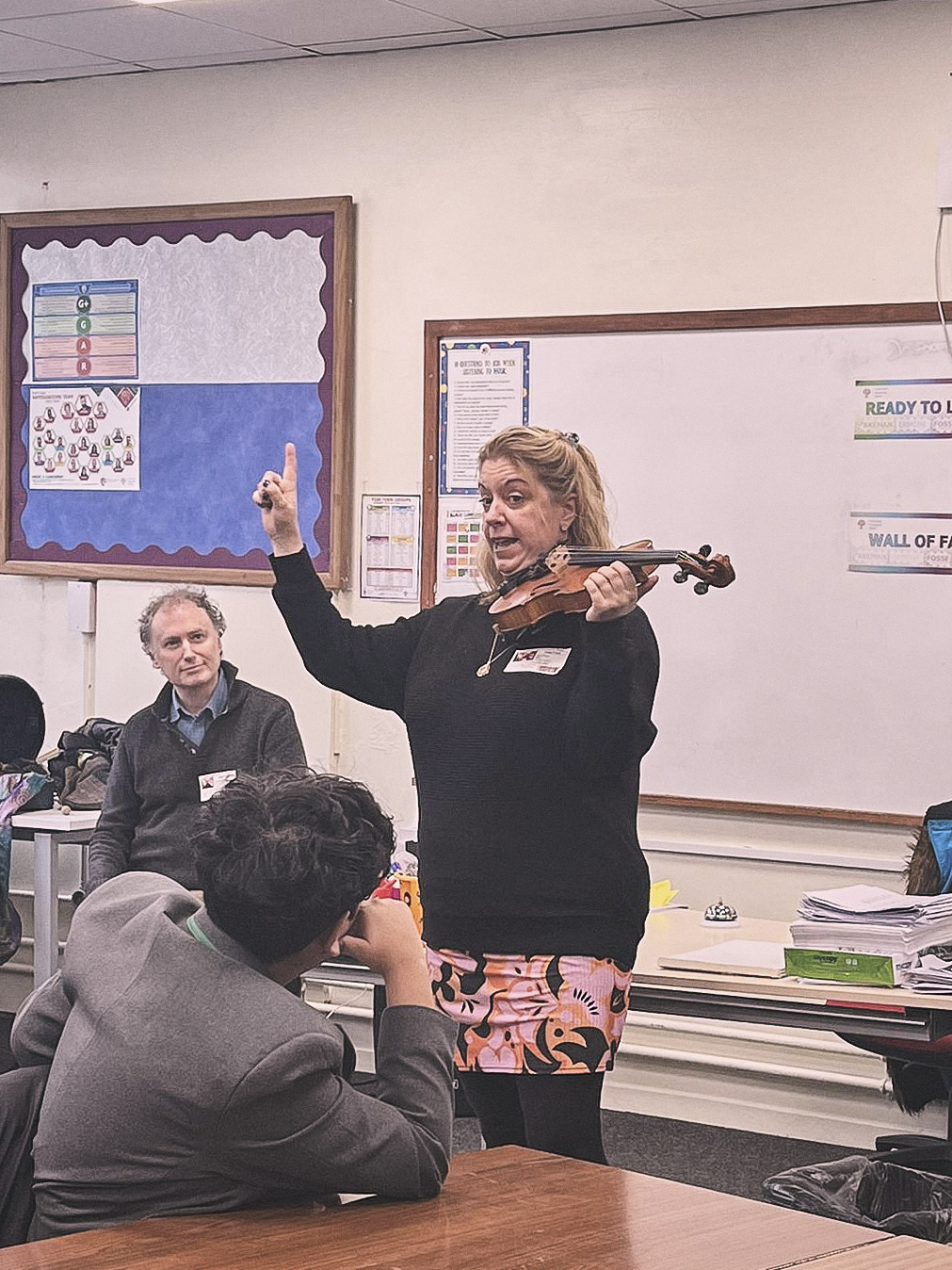
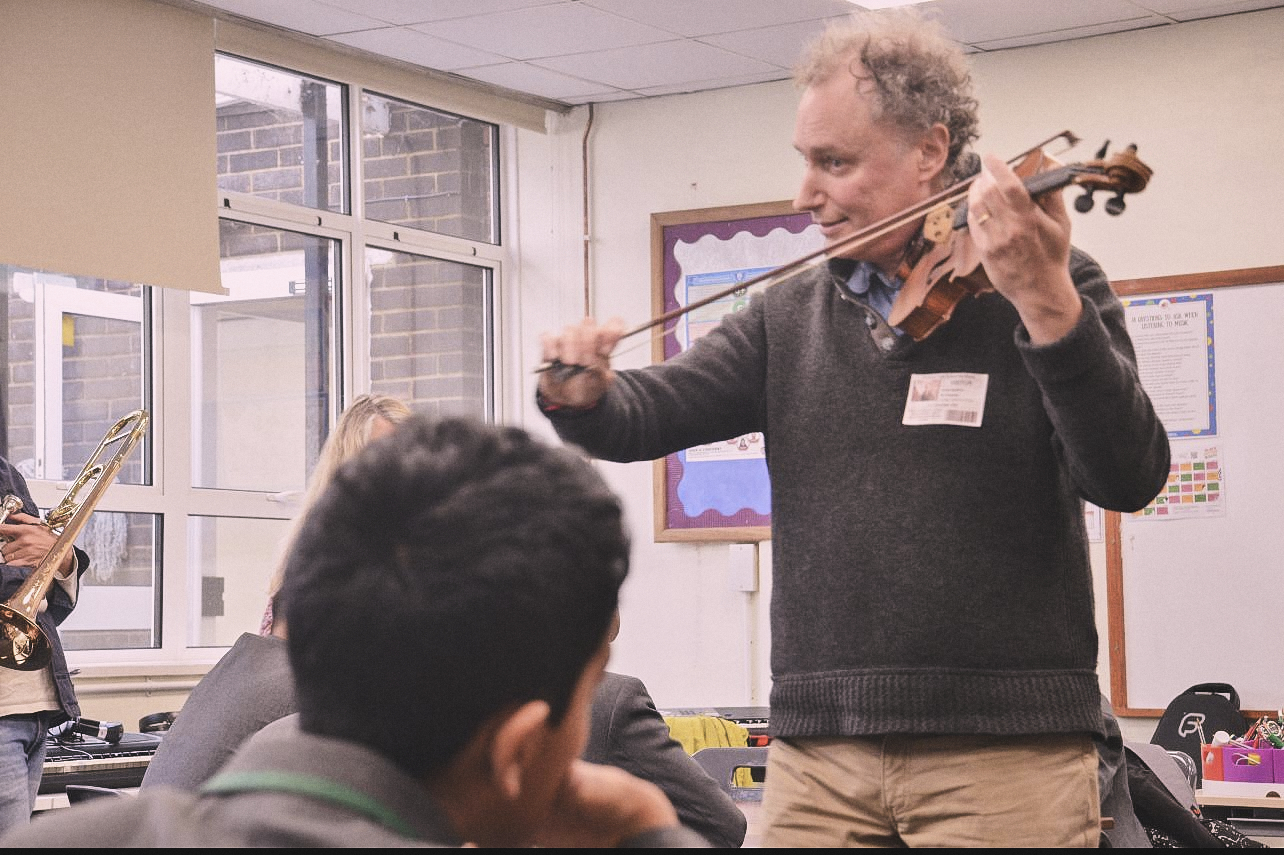
Harmony of the Worlds uses sound and music as a metaphor for a more cohesive society, a place where communities can deeply listen to each other whilst sensitively interacting within a safe sonic space.
The project's overarching creative concepts of awe, flow and connecting to each other and to the environment through sound facilitated this process. Positive psychological states transcended barriers whilst creative flow dissolved them.
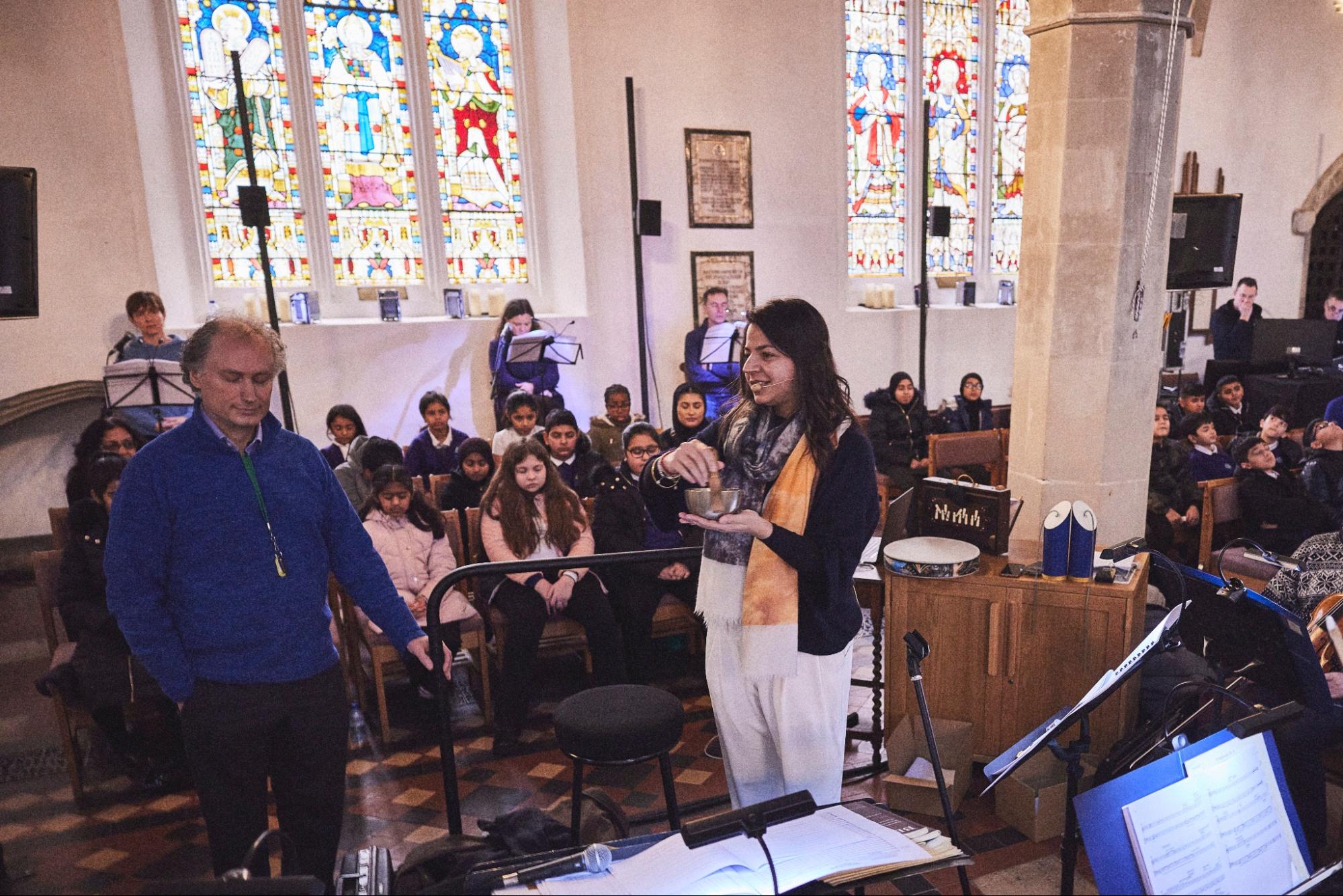
“I thought the piece with our voices was really funny and interesting. It reminded me of all the cultures our schools have and how unique we all are” (Year 5 Student, Downside Primary School, Luton).
Listen to one of the results here. (Produced and arranged by Jaydee DeLeon)
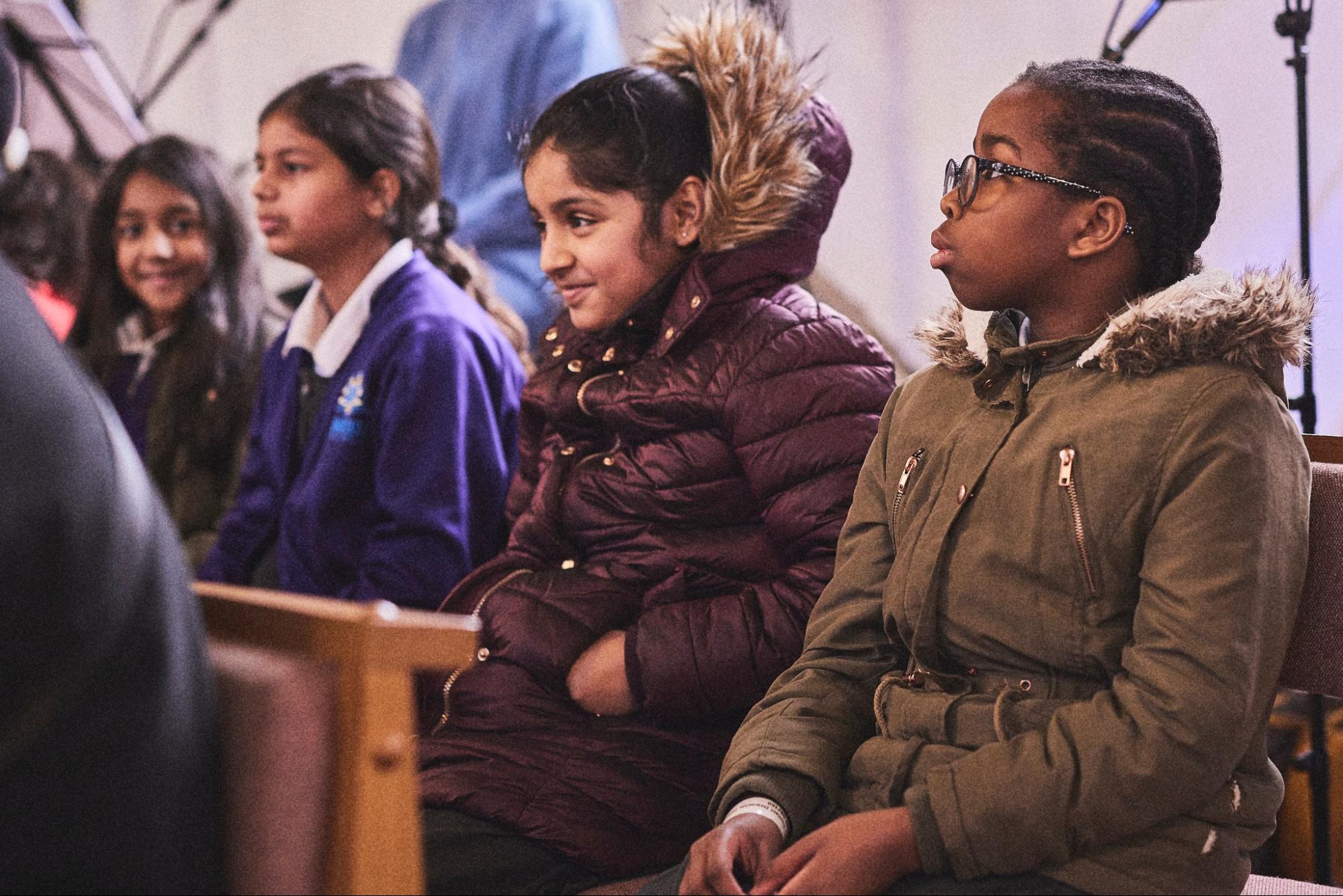
Students visited St. Mary’s Church in January to experience a Dialogue Lab Deep Listening workshop followed by the Royal Philharmonic Orchestra, Synergy Vocals and d&b Audio exploring these ideas through music. For the vast majority of students, this was the first time they had heard a live orchestra.
“I really liked the introduction because it was a really interesting story that we made” (Year 5 Student, Downside Primary School, Luton).
“They were cool sounds and the orchestra was brilliant. I loved the double bass” (Year 5 Student, Downside Primary School, Luton).
Harmony of the Worlds acted as a cultural sounding-board, an acoustic mirror designed to enable all participants to deeply experience, reflect on, and then create new sonic art from sounds from their birth culture whilst creatively interacting with sounds from the other cultures that make up the rich diversity of their community.
Research shows that deeply listening to another’s sound - this could be the sound of the speaking or singing voice or a culturally specific sound - creates empathy. Empathy is a key factor in community cohesion.
Additionally, the project explored the potential of sound and music to create positive mental states in the classroom. One of the key findings of our schools’ workshops was the capacity of sound to create feelings of tranquillity and focus. We wanted to explore this further, and so returned to Downside Primary School, Luton in June 2023 to conduct some targeted experiments. The aim was to see if it was possible to quantify cognitive change after deep listening to music – specifically to Essence the work at the centre of this project. Over 175 children took part in the experiment, with initial results showing a marked improvement in test scores (12%) after listening.
“The orchestra and Earth sounds were excellent and amazing. I liked when the lady was holding that instrument and amazed when the sound turned into seawater” (Year 5 Student, Downside Primary School, Luton).
The Earth sound and the orchestra was great and beautiful” (Year 5 Student, Downside Primary School, Luton).
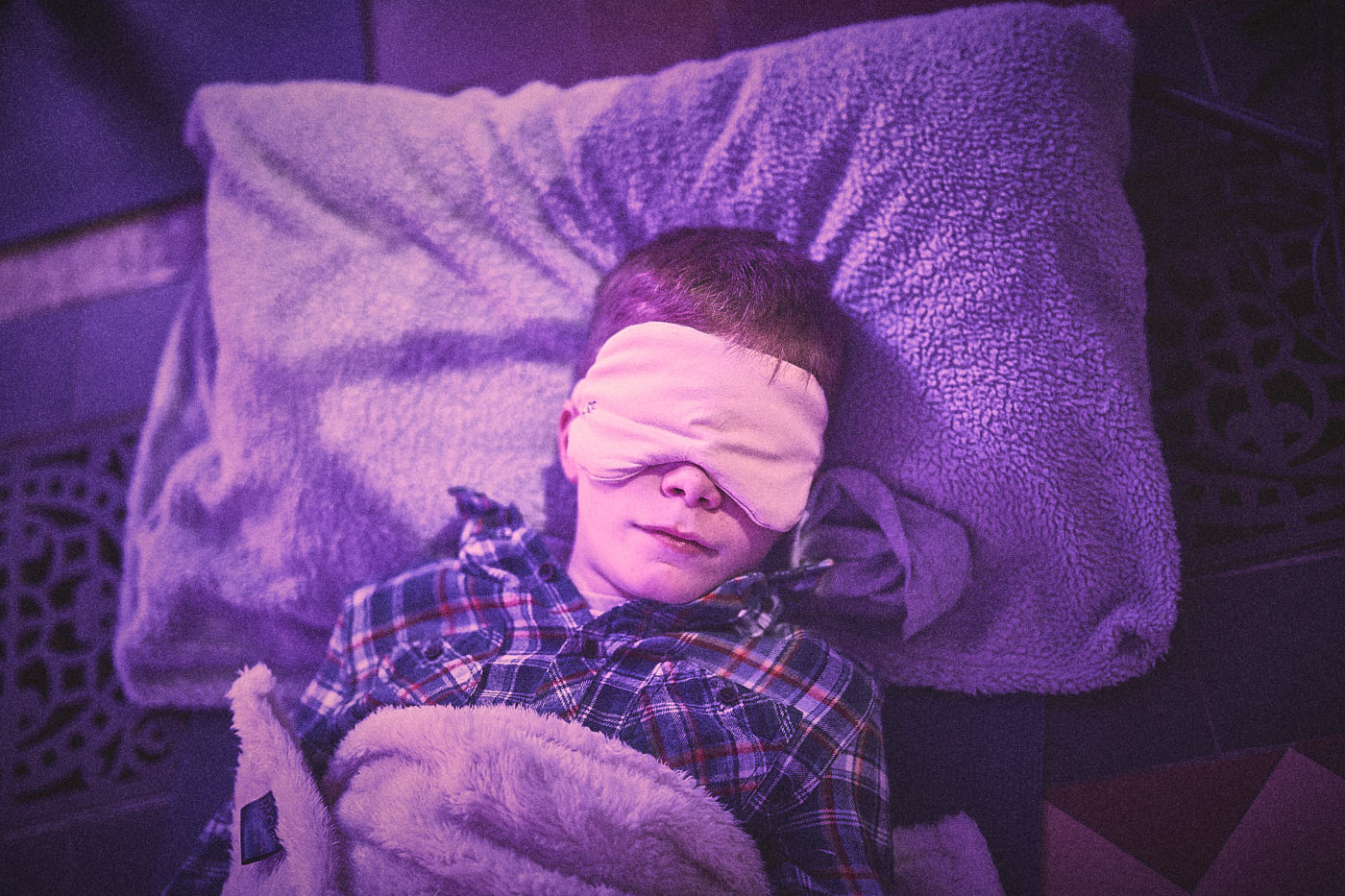
The therapeutic potential of the project is especially exciting. Our experience of sound and music begins in our mother’s womb, and has been shown to be integral to our brain development at this most formative stage. It is therefore no surprise that, later in the life cycle, music is shown to be an effective intervention for people suffering with Alzheimer’s and Parkinson’s disease. This is due to the enhanced connectivity within the brain facilitated by musical experience. With its emphasis on the emerging technologies of spatial sound and vibro-acoustics, new work created and inspired by this project has the potential to develop the role of music as a tool to promote brain health.
Frontiers in Neuroscience 2019; 13: 132.
Music Intervention Approaches for Alzheimer’s Disease: A Review of the Literature
https://www.ncbi.nlm.nih.gov/pmc/articles/PMC6424022
International Journal of Environmental Research and Public Health 2021, 18(21), 11618;
Music Therapy and Parkinson’s Disease: A Systematic Review from 2015-2020 https://doi.org/10.3390/ijerph182111618
Listening to music activates more brain regions simultaneously than any other human activity Alexander Pantelyat, neurologist, Johns Hopkins University: https://www.hopkinsmedicine.org/news/articles/harnessing-the-healing-power-of-music
The intentional movement of ambient, drone and frequency-based sound objects in space, and their directional motion from the left ear to the right ear, from above & below and front to back with distance and proximity, are all components of spatial audio. Intentional music has been shown to reduce cortisol levels, activate hippocampal regeneration, calm the limbic system, heighten focus and awareness, generate brainwave entrainment and stimulate the vestibular system, thus enhancing neuroplasticity within the brain and our overall mental health and wellbeing. Spatial audio has even been shown to restore and maintain balance in cell organisms suggesting possible future applications for the treatment and prevention of disease and trauma. One theory is that spatial coherence of sound waves may improve homeostasis in the human body, leading to physiological and psychological benefits for the listener.
In addition to Alzheimers and Parkinsons diseases, scientific studies have also proven the benefit of music for Dementia, Autism, PTSD & longevity. Binaural beats and bilateral music, which are the basis of spatial audio, have already been used by EMDR & Brainspotting therapists to facilitate trauma reprocessing through increasing the brain’s functional connectivity. Harmony of the Worlds poses a question to policymakers - What could we find if we go to the next level and integrate spatial audio within our healthcare systems?
________________________________________
Music therapy reduces agitation and the need for medication in 67% of people with dementia, significantly reducing the spend on anti-psychotic medication. UK All Party Parliamentary Group Inquiry on Arts, Health, and Wellbeing. (2017). Creative Health: The Arts for Health and Wellbeing. Available: https://www.culturehealthandwellbeing.org.uk/appg-inquiry/
Because music is processed in both hemispheres of the brain, it is a relevant intervention for autism. Music has been shown to stimulate cognitive functioning and may be used for remediation of some speech and language skill : Wan, C. Y., Demaine, K., Zipse, L., Norton, A., & Schlaug, G. (2010). From music making to speaking: engaging the mirror neuronsystem in autism. Available: https://www.ncbi.nlm.nih.gov/pmc/articles/PMC2996136/
A Neurobiological Framework for the Therapeutic Potential of Music and Sound Interventions for Post-Traumatic Stress Symptoms in Critical Illness Survivors
International Journal of Environmental Research and Public Health 2022, 19(5), 3113; https://doi.org/10.3390/ijerph19053113
The Oxford Institute of Population Aging, Longevity and Music as Meaning - Article by Dr Laurel Hixon:https://www.ageing.ox.ac.uk/blog/2017-Longevity-music-Hixon
"Speculation about the seemingly magical connection between longevity and classical music abounds. In a study of over 49,000 creative types, Anisimov and Zharinov (2013), write that “persons who listen to classical music have more chance to live longer”
Original Research: Muses and Longevity (Anisimov VN and Zharinov GM) https://www.researchgate.net/publication/314420738_Muses_and_Longevity
EMDR (Eye Movement Desensitisation and Reprocessing) is a comprehensive psychotherapy that helps you process and recover from past experiences that are affecting your mental health and wellbeing. It involves using side to side eye movements combined with talk therapy in a specific and structured format. Bilateral stimulation (sound, light or touch) is an important component of EMDR therapy. Bilateral stimulation is simply using something you can see, hear or feel and crossing the body in a rhythmic pattern. An EMDR therapist may use Bilateral Music during an EMDR session as a powerful enhancement to the process. Sounds moving fluidly from the left to right ear and back stimulate and integrate both sides of the brain thus encouraging whole brain processing of trauma.
Brainspotting Definition: Brainspotting therapy has developed from EMDR and uses spots in a person’s visual field to help them process trauma. It accesses trauma trapped in the subcortical brain, the area of the brain responsible for motion, consciousness, emotions, and learning.
“It makes you feel calm and good”. (Year 5 Student, Downside Primary School, Luton).
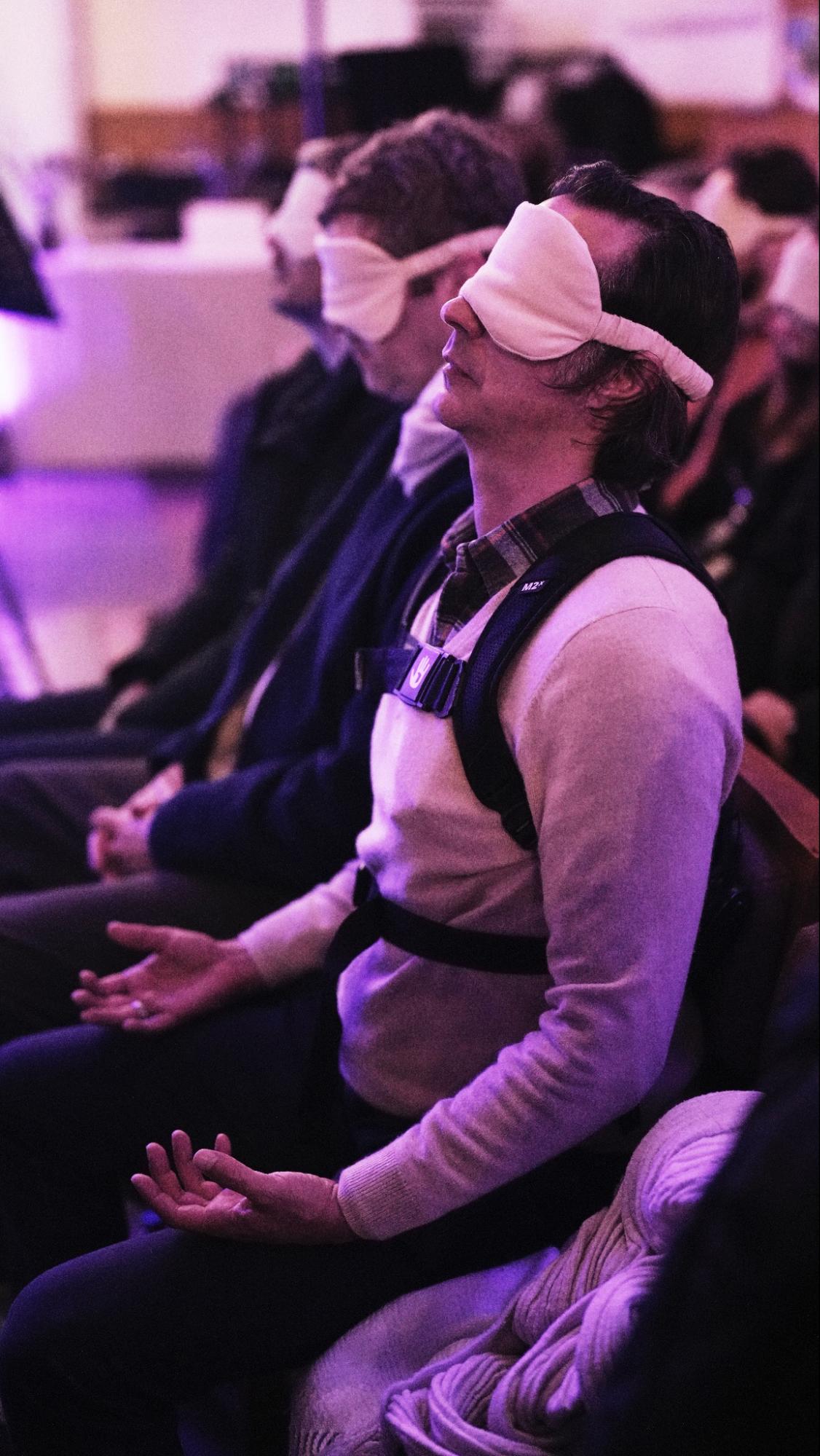
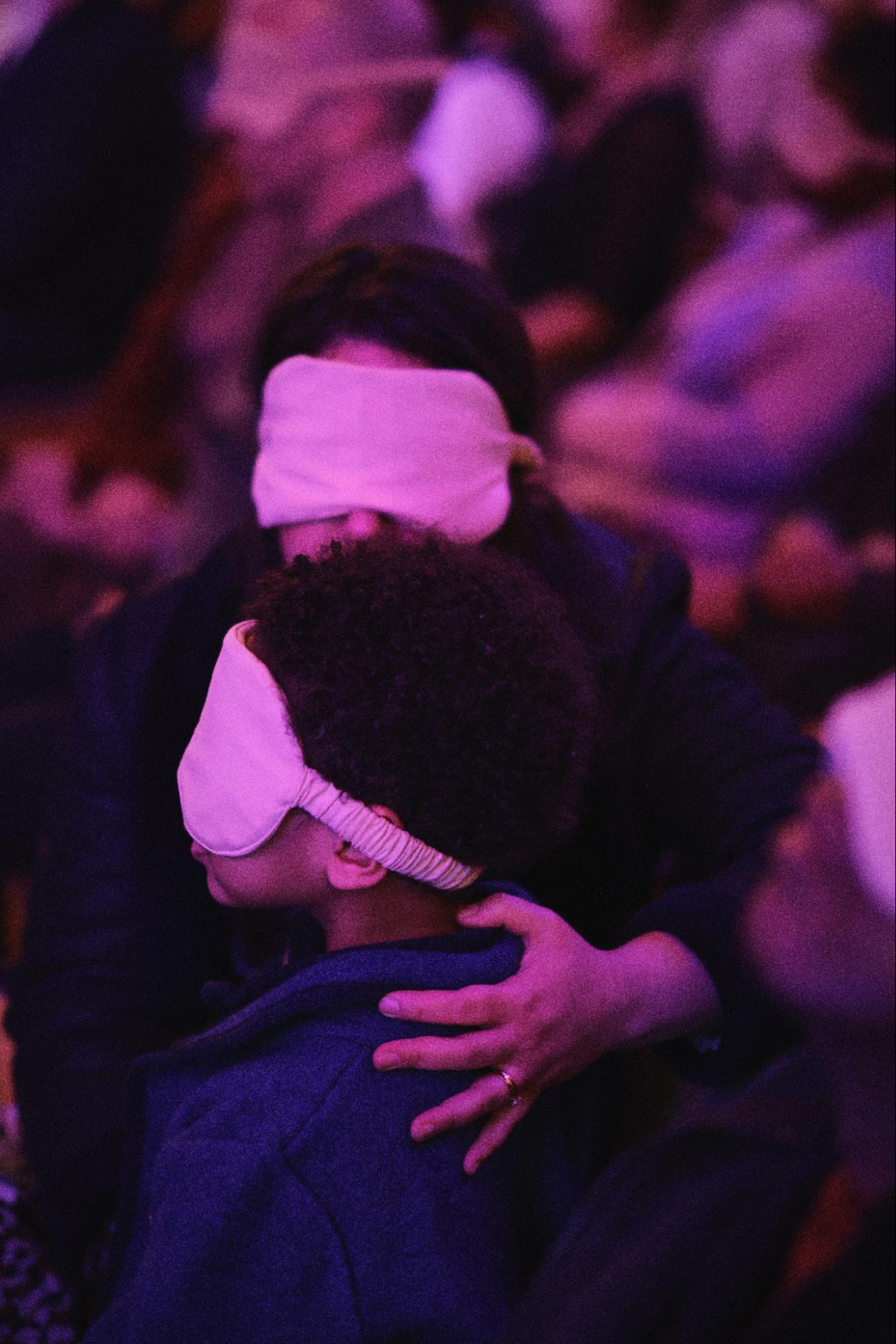
To this end, the project has developed an ongoing relationship with the NHS and Total Wellbeing Luton, which will enable the delivery of Harmony of the Worlds inspired socially prescribed sessions for people suffering from anxiety, social isolation, and long-term health conditions.
Harmony of the Worlds provides a sonic space to enable a deep sensory awareness to blossom, allowing participants to experience positive psychological states of awe and flow, and a sense of connection with themselves, their fellow listeners, and with the all-embracing ecosystem.
For those readers of this material, who feel they may be able to contribute to the explorations of Alchemic Sonic Environment, we would love to work with you to jointly explore how the process of deep listening can shift perspectives, enabling your people and your audiences to experience their passion in a new light. Click here to find out more / start a dialogue.
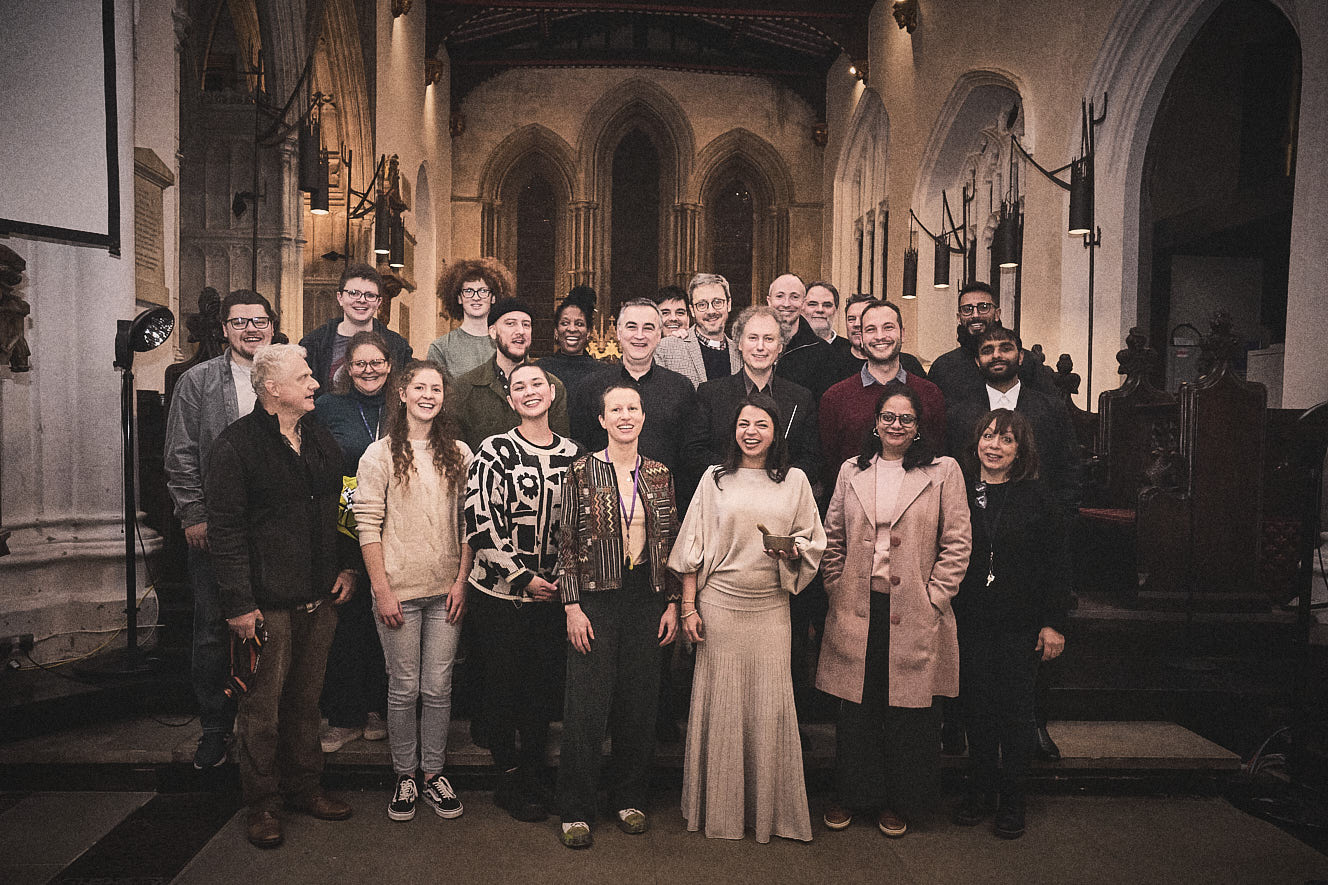
TEAM SATYA HINDUJA
Composer, Sound Artist and Founder
DAVID MURPHY
Conductor
ROYAL PHILHARMONIC ORCHESTRA
Orchestra
SYNERGY VOCALS
Chorus
MARK ROGERS, MIKE COX, EBEN D'AMICO
Sound Engineers
JAYDEE DE’LEON & GABBY ZONNEVELD
Studio teamd&b AUDIOTECHNIK
Immersive Sound Technology
SUBPAC
Vibroacoustic Technology
SOHINI CHOWDHURY, AARON H NAHUM, SOPHIE HIGGINS & FRANCESCA MILAZZO
Production Managers
BOX CLEVER MEDIA & CECILIE GRAVESEN
Video Production
ANDERS BIRGER & GULAB CHAGGAR
Photography
NISSA NISHIKAWA
Creative writing & Incense
ST MARY'S CHURCH, LUTON
Volunteers
The unfolding Harmony of the Worlds story has already attracted considerable interest. Coverage has already appeared in UK and international media including the BBC, online, specialist technology websites and traditional print journalism:
BBC - January 2023
Installation International - July 2023
Digico.biz - July 2023
Luton Today - December 2022
Luton Today - January 2023